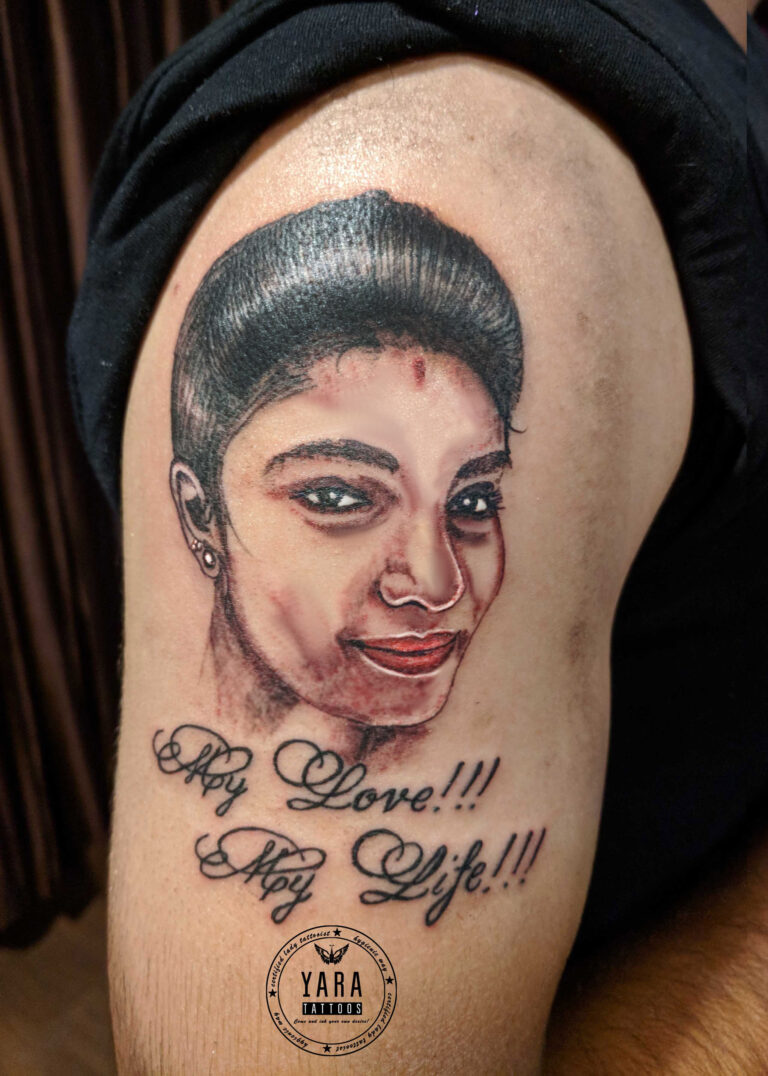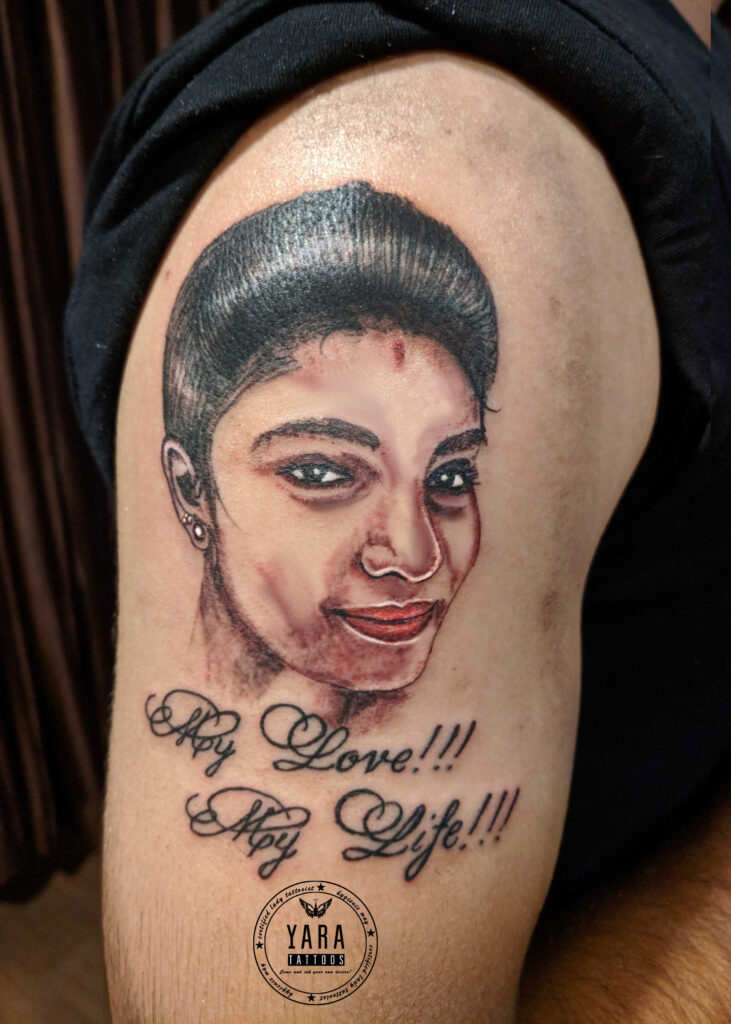
Portrait tattoos are among the most demanding and emotionally powerful forms of tattoo art. Unlike abstract or symbolic designs, portrait tattoos aim to permanently capture a person’s likeness, whether it’s a loved one, a public figure, or a meaningful memory. Because of this, choosing the right style is just as important as choosing the subject.
One of the most common questions clients ask is: Should I choose a black and grey portrait tattoo or a colour portrait tattoo?
The answer isn’t universal. Both styles offer distinct advantages, and the right choice depends on several factors, including longevity, emotional tone, skin type, and artistic intent.
What Is a Portrait Tattoo?
A portrait tattoo is a realistic depiction of a person, typically based on a reference photograph. These tattoos require exceptional skill because the human eye is extremely sensitive to facial inaccuracies. Even small mistakes in proportion, shading, or colour can affect the likeness.
Portrait tattoos generally fall into two categories:
- Black and Grey Portrait Tattoos
- Colour Portrait Tattoos
Both can achieve realism, but they rely on very different artistic approaches.
What Are Black and Grey Portrait Tattoos?
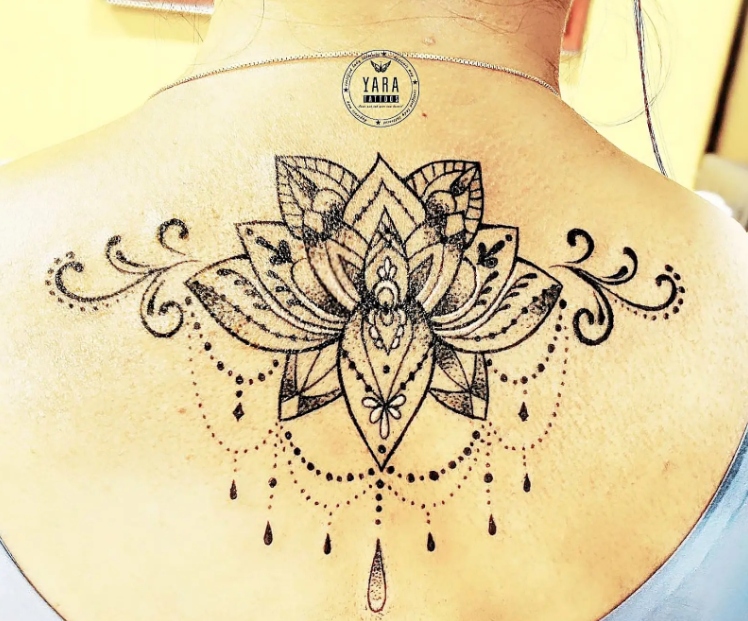
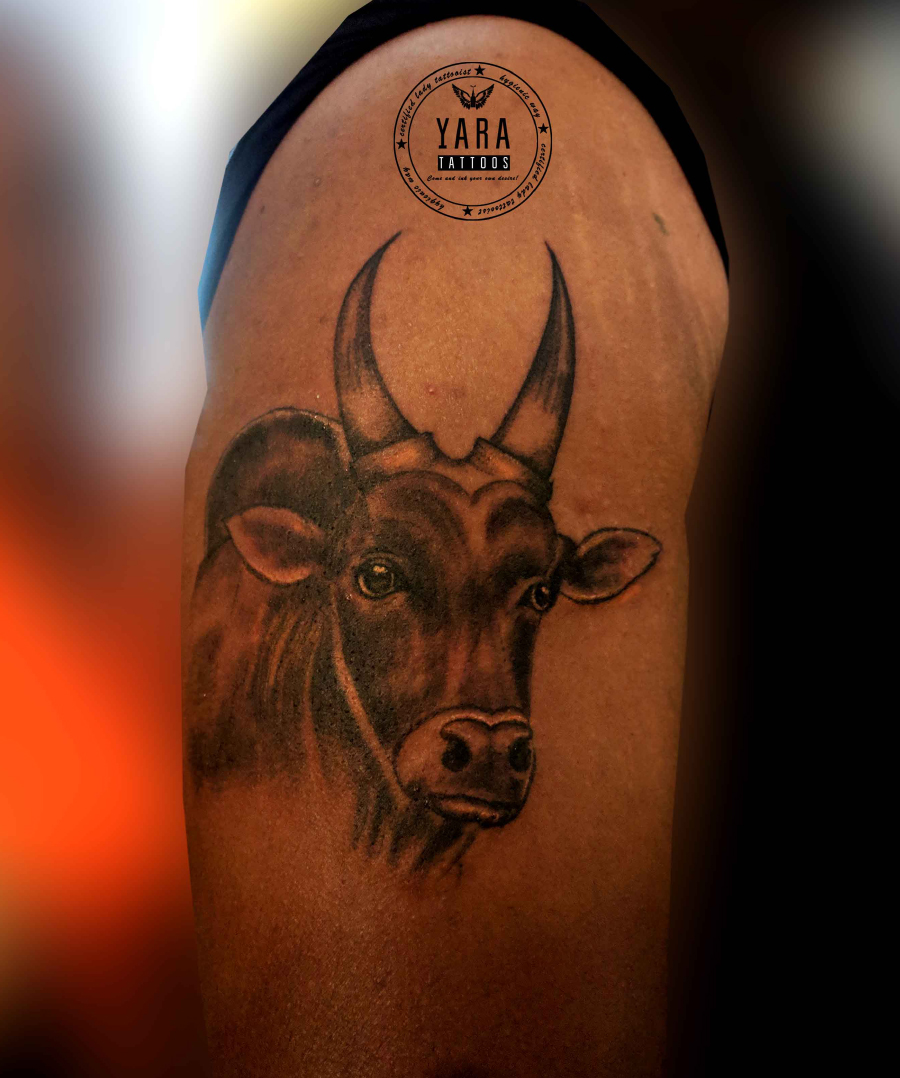
Black and grey portraits use only black ink, diluted to create varying shades of grey. Through precise shading, layering, and contrast, artists create depth and realism without colour. This style has deep roots in traditional tattooing and has become one of the most respected forms of realism.
Benefits of Black and Grey Portrait Tattoos
1. Timeless Appeal: Black and grey portraits never go out of style. Inspired by classic photography and charcoal art, they feel elegant, serious, and artistic rather than trend-driven.
2. Superior Longevity: Black ink ages more predictably than colour. Over time:
- Lines remain clearer
- Shading fades evenly
- Facial details stay recognizable
3. Ideal for Emotional and Memorial Pieces: Many memorial portraits are done in black and grey because the lack of colour conveys respect, depth, and emotional gravity. The focus remains on expression and realism rather than visual distraction.
4. Works Well Across Skin Tones: Black and grey tattoos adapt more easily to different skin tones, maintaining strong contrast and clarity. Natural fading often enhances realism rather than diminishing it.
Limitations of Black and Grey Portrait Tattoos
Black and grey portraits rely heavily on lighting and contrast. Poor reference photos or weak execution can make the tattoo appear flat. They may also lack the vibrancy some clients desire.
What Are Colour Portrait Tattoos?
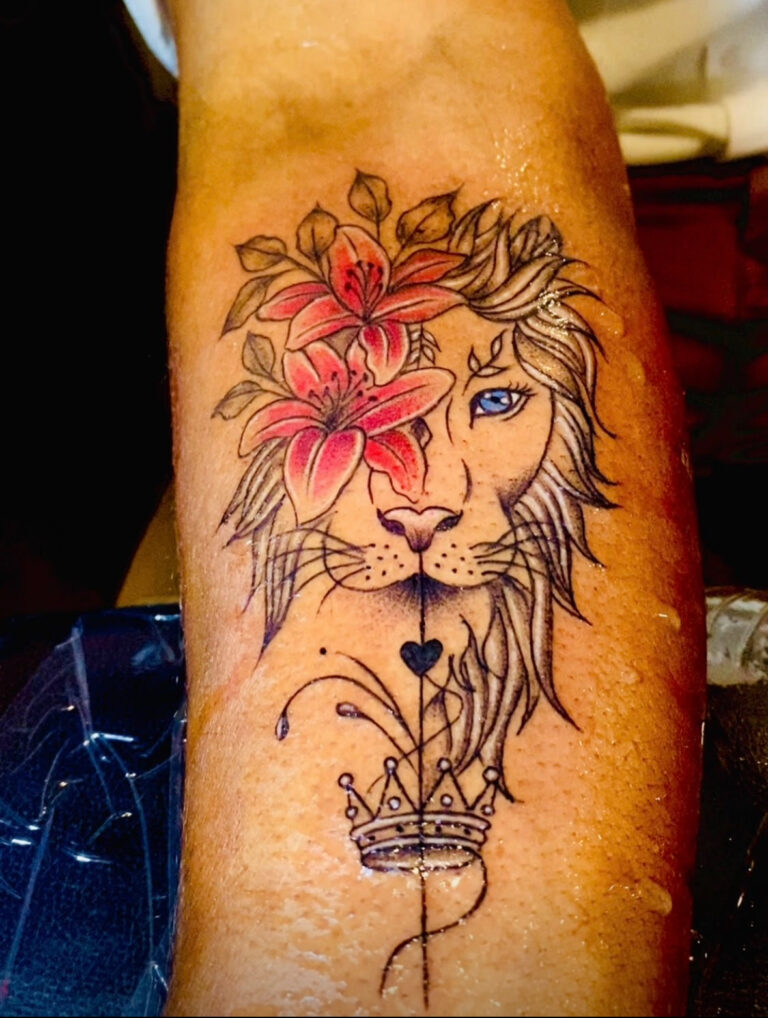
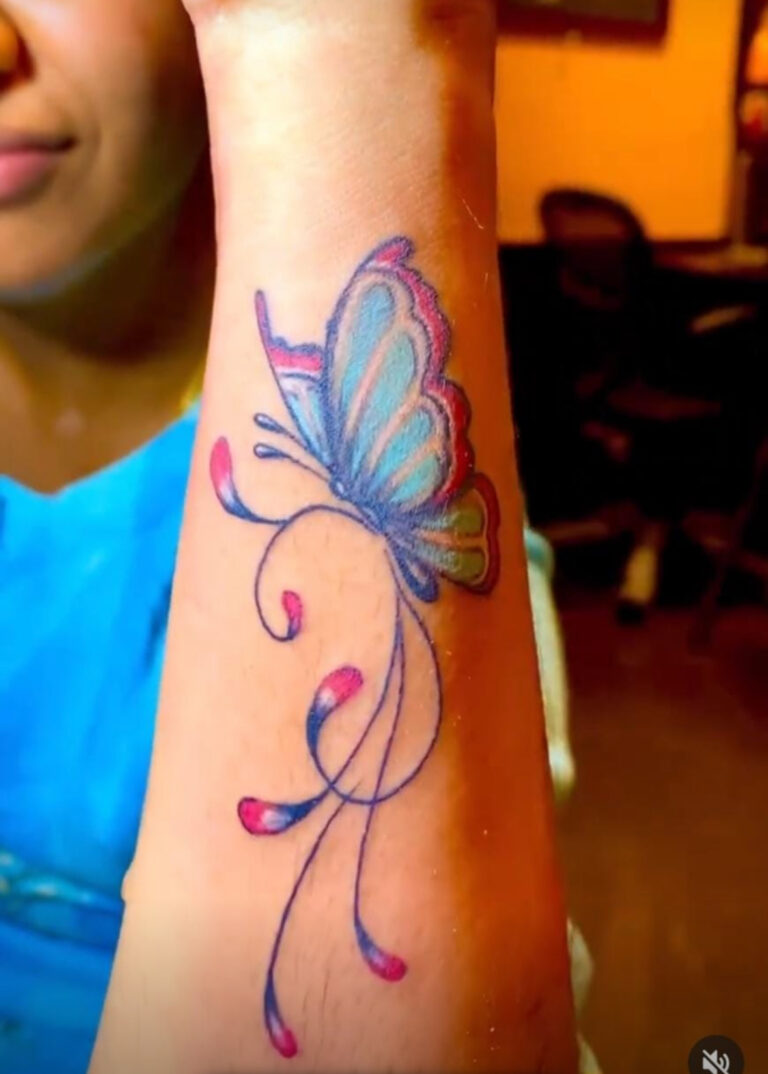
Colour portrait tattoos use multiple pigments to recreate skin tones, eye colour, hair, clothing, and lighting. When done well, they can look incredibly lifelike, almost photographic.
This style demands advanced knowledge of colour theory, blending, and realism.
Advantages of Colour Portrait Tattoos
1. Enhanced Realism: Colour allows artists to capture natural skin undertones, blush, highlights, and shadows more accurately. Details like eye colour, lip tone, and hair depth appear more lifelike.
2. Emotional Expression Through Colour: Colour adds mood and symbolism. Warm tones can convey love and warmth, while cooler tones can express calm, sorrow, or mystery, especially important in culturally or emotionally rich portraits.
3. Strong Visual Impact: Colour portraits stand out immediately. For those who want a bold, eye-catching tattoo, colour delivers maximum visual presence.
Limitations of Colour Portrait Tattoos
1. Faster Fading: Colour pigments, especially lighter shades fade faster than black ink, particularly with sun exposure. Touch-ups are often required to maintain vibrancy.
2. Skin Tone Sensitivity: Some colours appear muted or shift depending on skin tone. Skilled artists can adjust for this, but colour portraits are less forgiving.
3. Higher Maintenance: Colour portraits require strict aftercare, sun protection, and occasional touch-ups to maintain their original appearance.
Longevity and Aging: Which Lasts Longer?
Black and grey portraits generally age better with minimal maintenance:
- Black ink softens naturally
- Grey shading blends smoothly
- Details remain legible
Colour portraits may:
- Lose brightness over time
- Experience colour shifts
- Require touch-ups
That said, modern inks and expert application have significantly improved colour tattoo longevity when properly cared for.
Artist Skill Matters More Than Style
The most important factor in a portrait tattoo is the artist’s experience, not the colour choice. A skilled black and grey artist will outperform an average colour artist and vice versa.
Before choosing:
- Review healed portrait work
- Ensure portraits are the artist’s specialty
- Look for consistency in facial proportions and expressions
Placement and Size Considerations
Portrait tattoos need space to age well.
- Larger areas like the upper arm, thigh, back, or chest are ideal
- Small portraits lose detail faster
- Black and grey portraits handle smaller sizes better than colour
- Colour portraits require more space to maintain clarity
Final Thoughts: Which Is Better?
There is no definitive winner.
Black and Grey Portrait Tattoos offer:
- Timeless style
- Emotional depth
- Better aging
Colour Portrait Tattoos offer:
- Vibrancy
- Lifelike realism
- Strong visual impact
The best choice depends on:
- Your personal style
- The meaning behind the tattoo
- Your skin tone
- Artist expertise
- Willingness for long-term maintenance
A well-executed portrait regardless of style is always superior to a poorly done one. Portrait tattoos are lifelong commitments, and thoughtful planning makes all the difference.
At Yara Tattoos, we transform skin into enduring art, from classic black and grey portrait tattoos to striking colour realism, crafted with precision, emotion, and respect for permanence.