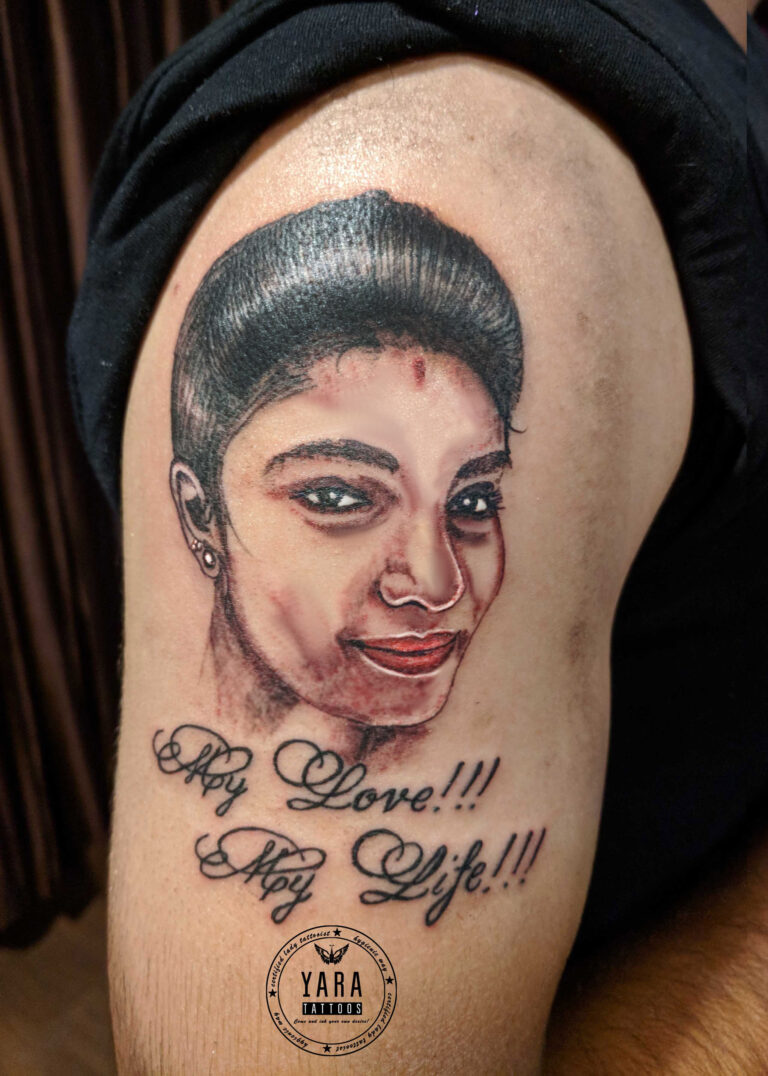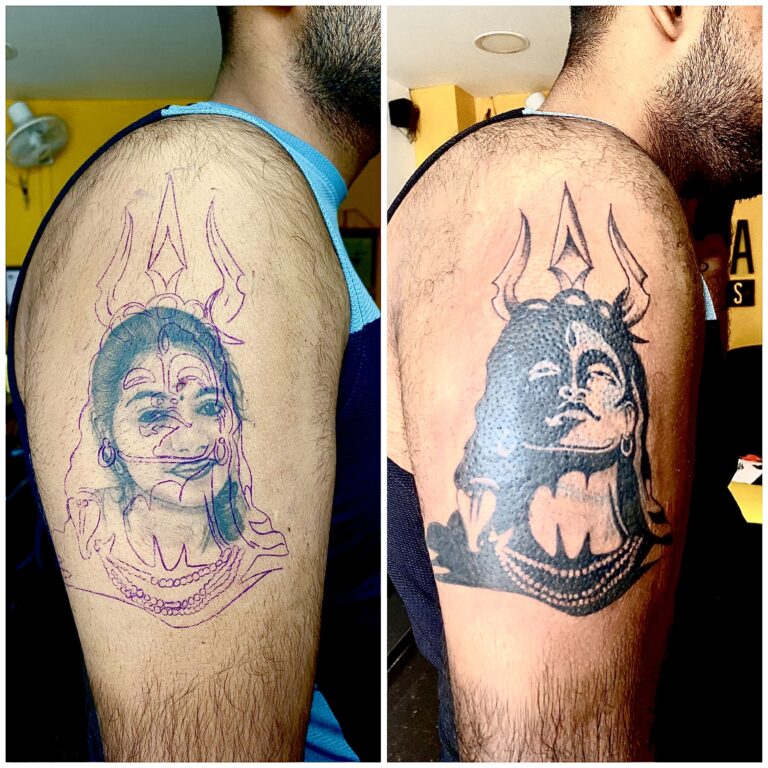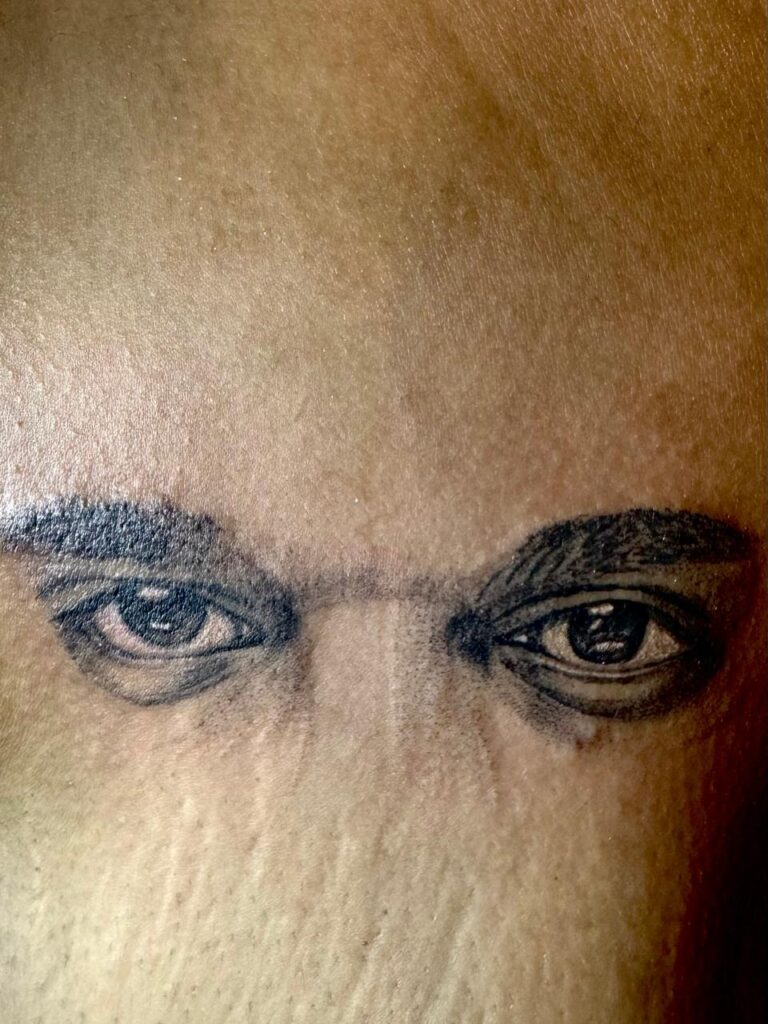
Portrait tattoos are one of the most demanding styles in the tattoo world. They require precision, patience, and a deep understanding of how skin behaves. Whether the design is based on a loved one, a celebrity, or a historical figure, portrait tattoos must capture emotion and likeness.
Understanding the Complexity of Portrait Tattoos
Portrait tattoos rely on accuracy. Unlike traditional or illustrative designs, even small mistakes can change the entire facial expression. Because of this, artists approach portraits with extra care and strategy.
Challenge #1: Capturing Likeness and Realistic Proportions
One of the biggest challenges is getting the features right. Even a slight change to the eyes, nose, or mouth can shift the entire portrait.
How Artists Overcome It
- Detailed reference analysis: Artists study the reference photo at multiple zoom levels before starting the tattoo.
- Proportion mapping: They build the portrait using outlines, shapes, and guidelines to ensure everything sits in the correct place.
- High-quality stencils: A clear stencil helps maintain accuracy throughout the session.
This process allows the artist to protect the integrity of the subject’s face.
Challenge #2: Achieving Smooth Shading on Skin
Portrait tattoos depend on soft shading to create depth and realism. However, skin is not as smooth or predictable as paper.
How Artists Overcome It
- Using controlled needle techniques: Smooth whip-shading and gradual layer-building help create soft gradients.
- Choosing the right needle groupings: Many artists use magnum needles for smoother blends.
- Working with proper skin tension: Keeping the skin tight helps the ink settle evenly.
Because shading brings the portrait to life, mastering this skill is essential.
Challenge #3: Selecting the Right Reference Photo
A portrait tattoo is only as good as its reference. Low-resolution, blurry, or shadow-heavy images make the work risky.
How Artists Overcome It
- Requesting high-resolution photos: Artists encourage clients to provide clear, bright images.
- Enhancing photos digitally: Adjusting contrast and removing shadows helps highlight the essential details.
- Choosing one primary reference: This prevents confusion and keeps the portrait consistent.
Challenge #4: Accounting for Skin Tone and Texture
Different skin tones, textures, and ages affect how shading and details appear.
How Artists Overcome It
- Customizing shading techniques: Artists adjust ink saturation and contrast depending on the client’s skin.
- Using a range of values: Strong mid-tones and highlights help maintain visibility over time.
- Planning for natural aging: Experienced artists know which fine lines will hold and which may fade quickly.
This ensures the tattoo remains clear and recognizable for years.
Challenge #5: Balancing Detail With Longevity
Portrait tattoos need detail, but too much fine detail can blur as the skin heals and ages.
How Artists Overcome It
- Prioritizing essential features: Eyes, nose, lips, and defining shadows receive the most attention.
- Avoiding excessive micro-details: Instead of tiny lines, artists use bold contrasts and strong shapes.
- Layering shading: Controlled layering builds depth without overworking the skin.
A professional artist knows how to balance realism with long-term clarity.
Challenge #6: Managing Client Expectations
Many clients want perfect realism, but not every reference or skin type allows the same results.
How Artists Overcome It
- Clear communication: Artists explain how the tattoo will translate from photo to skin.
- Showing past work: This helps clients understand the artist’s style and capabilities.
- Setting realistic goals: A professional tattooer guides clients toward the best possible outcome.
Honest conversations lead to better experiences and better tattoos. If you’re considering a portrait tattoo, choosing a skilled and knowledgeable artist is the most important step. At Yara Tattoos, our artists understand the precision and care required to produce a portrait you’ll be proud to wear for a lifetime.