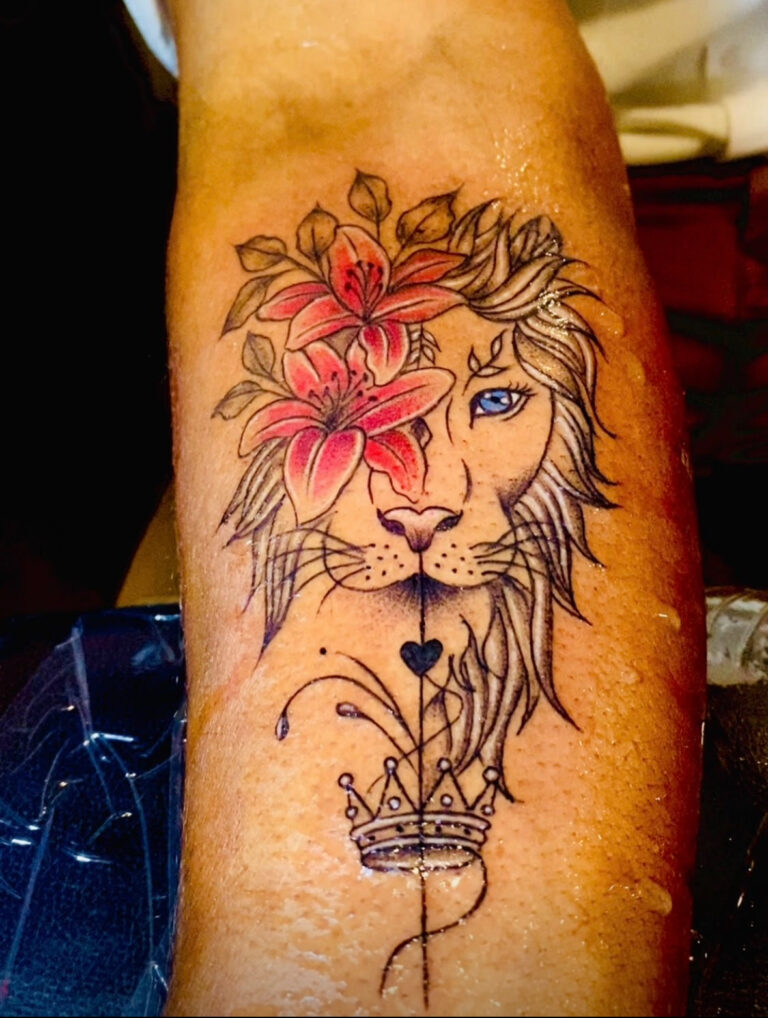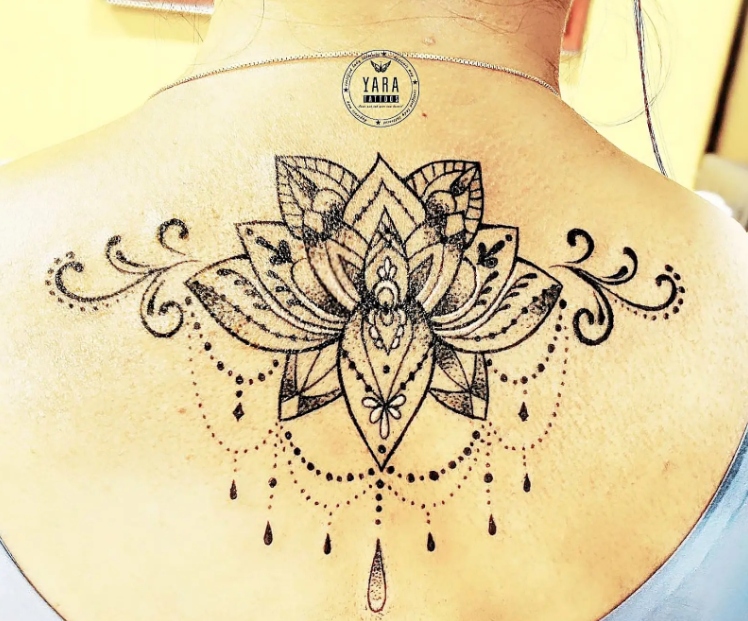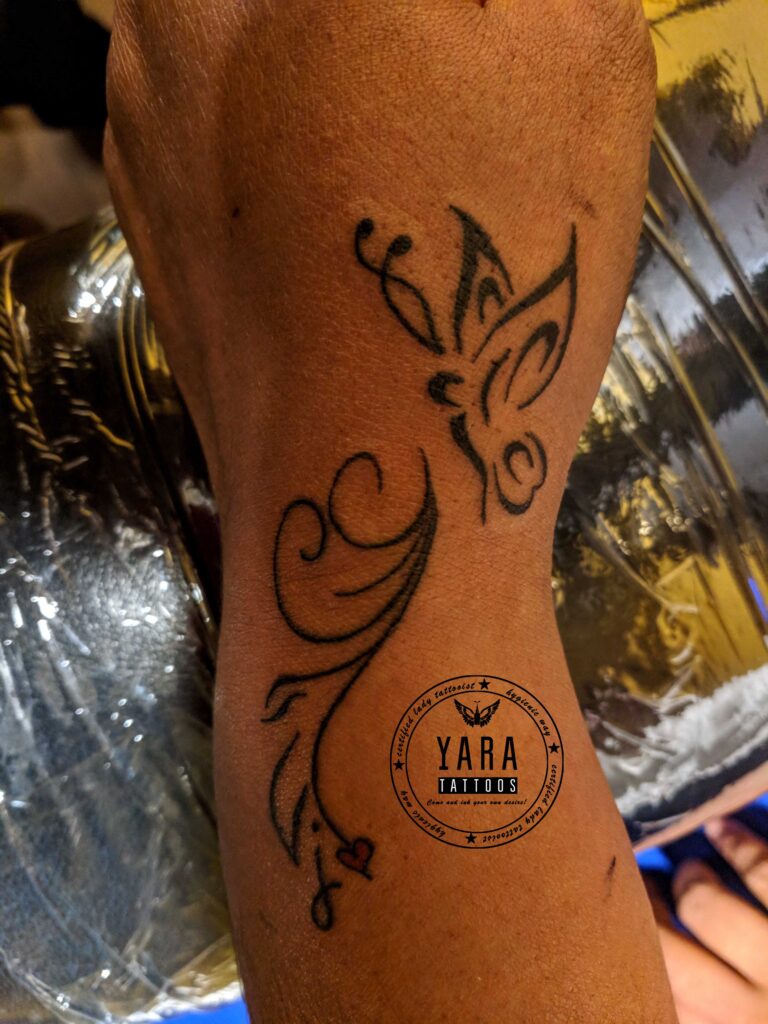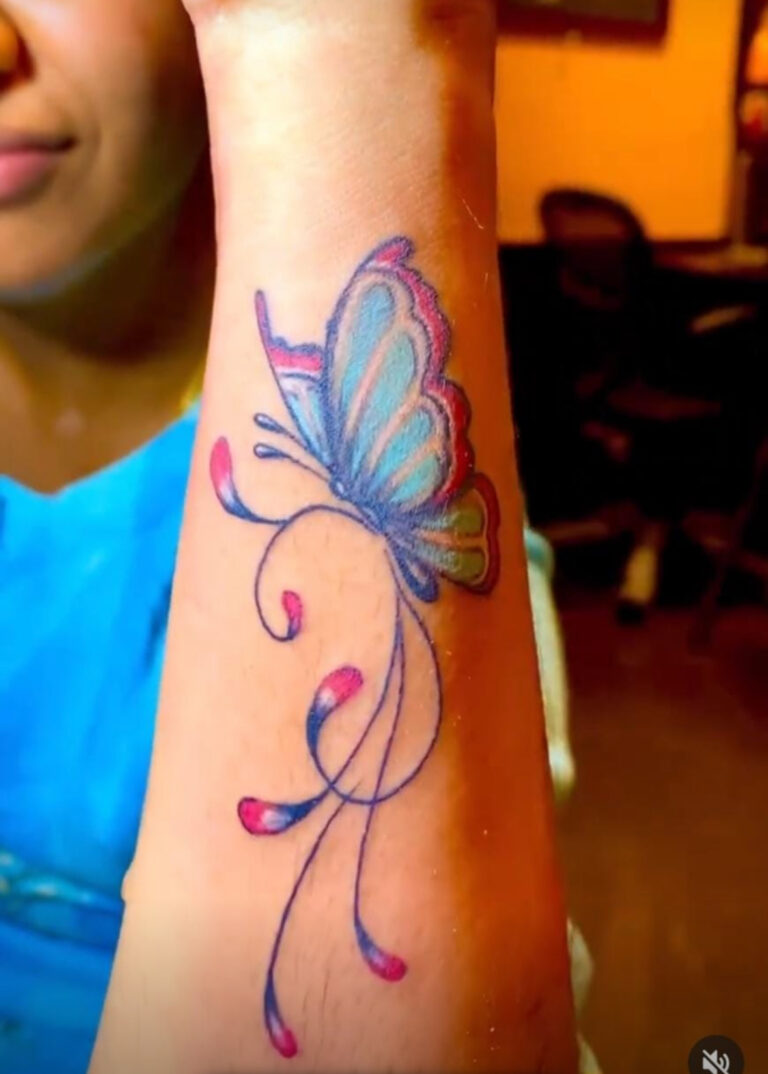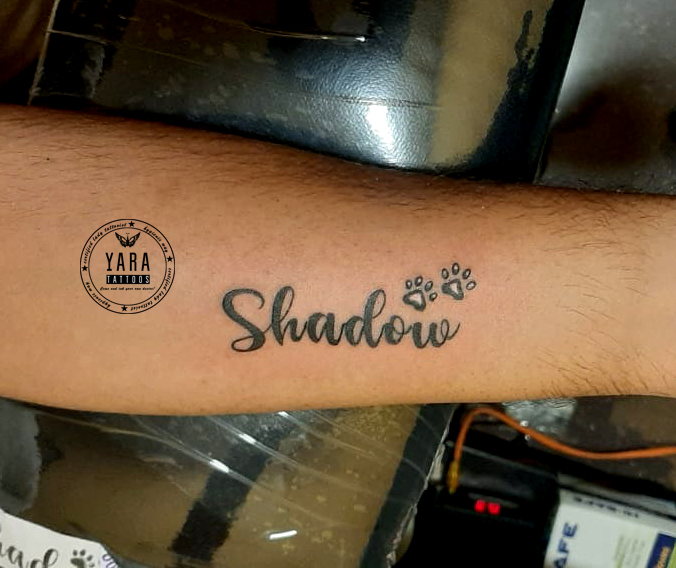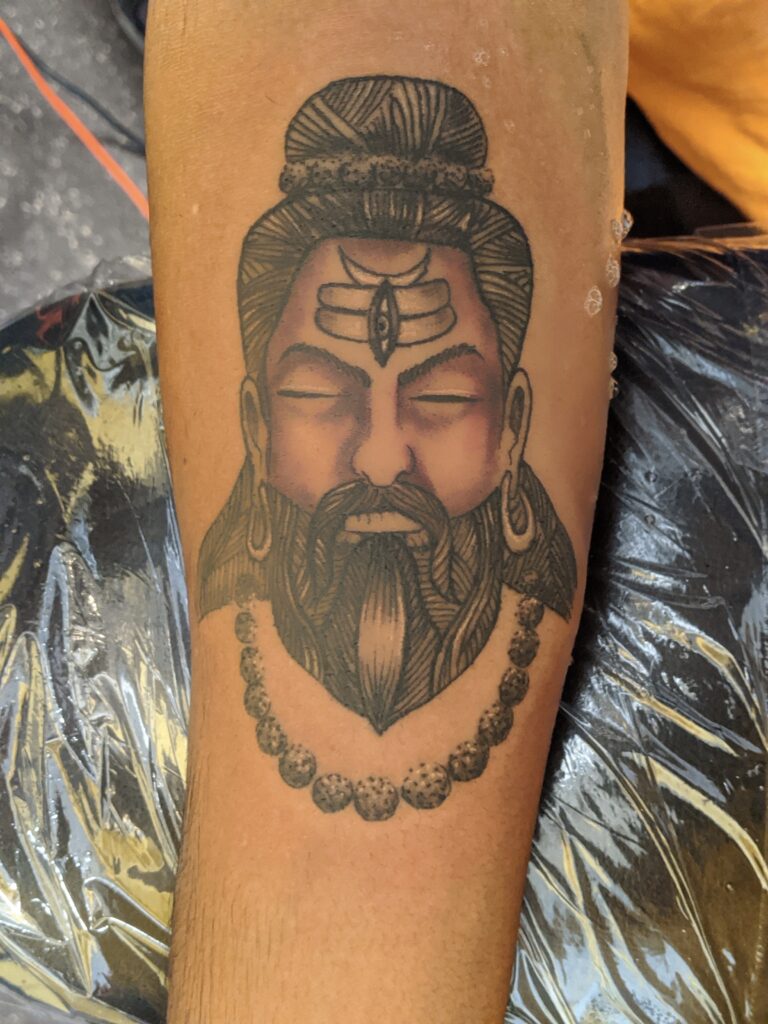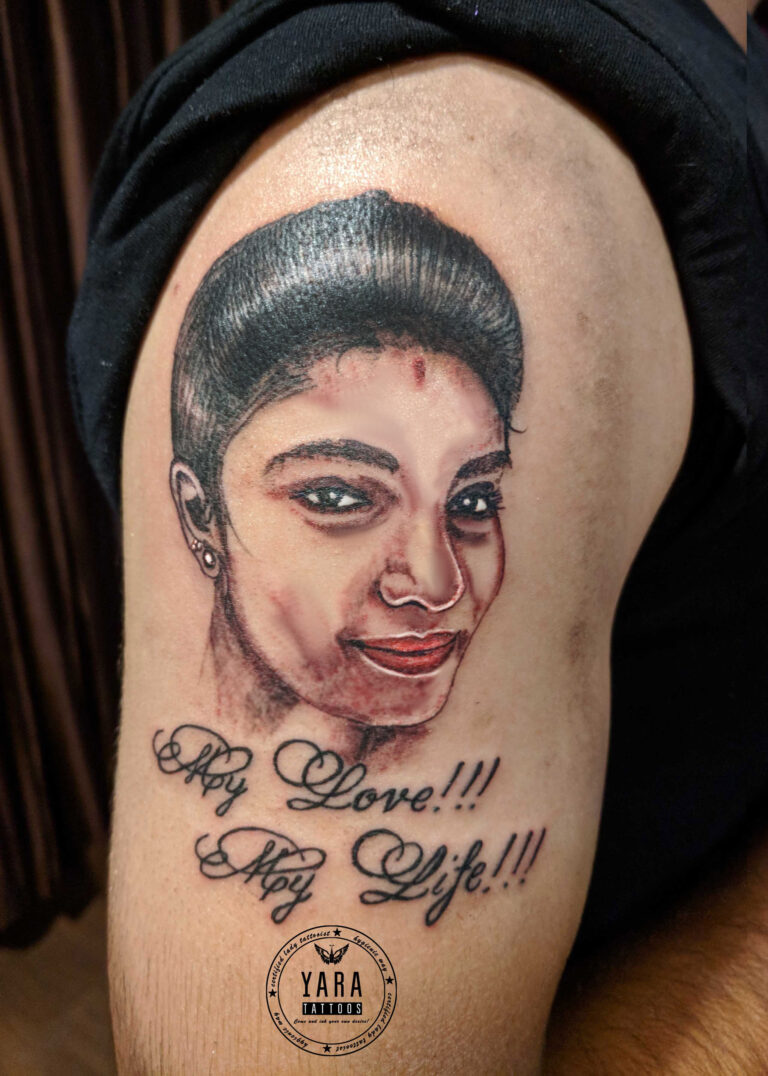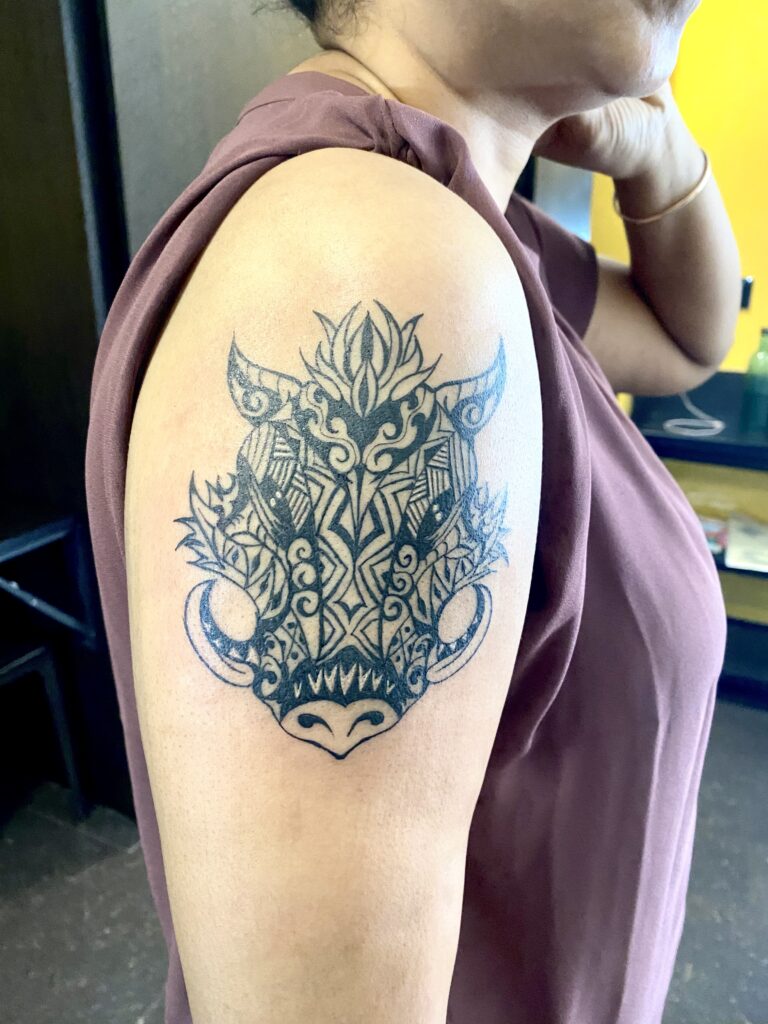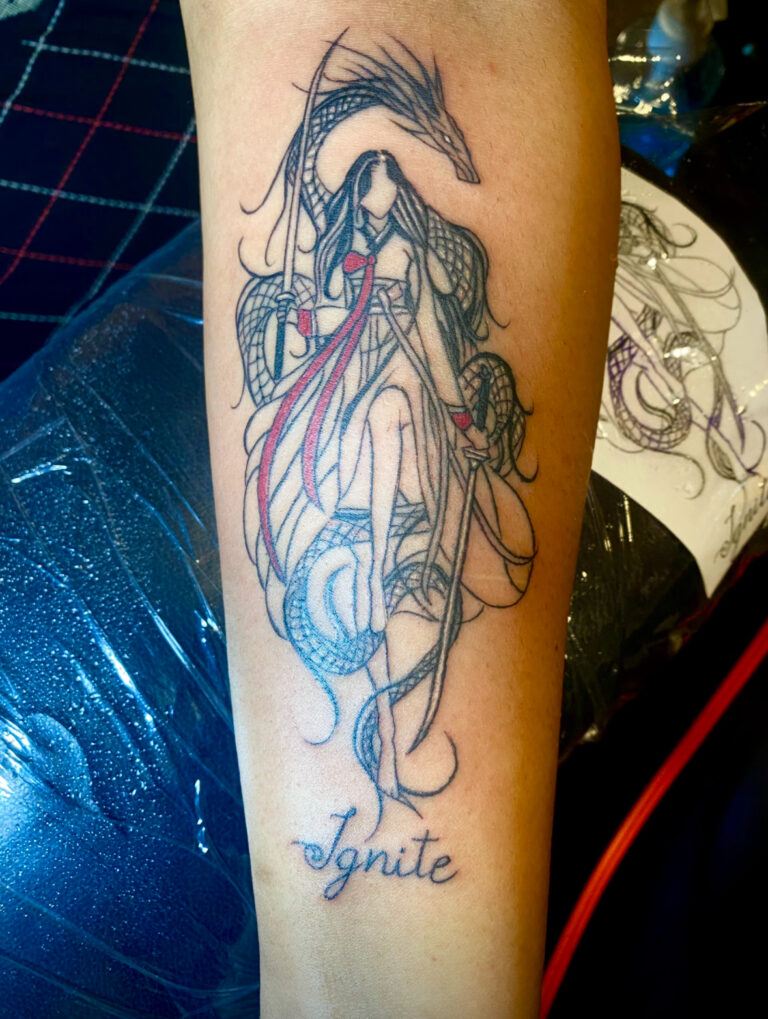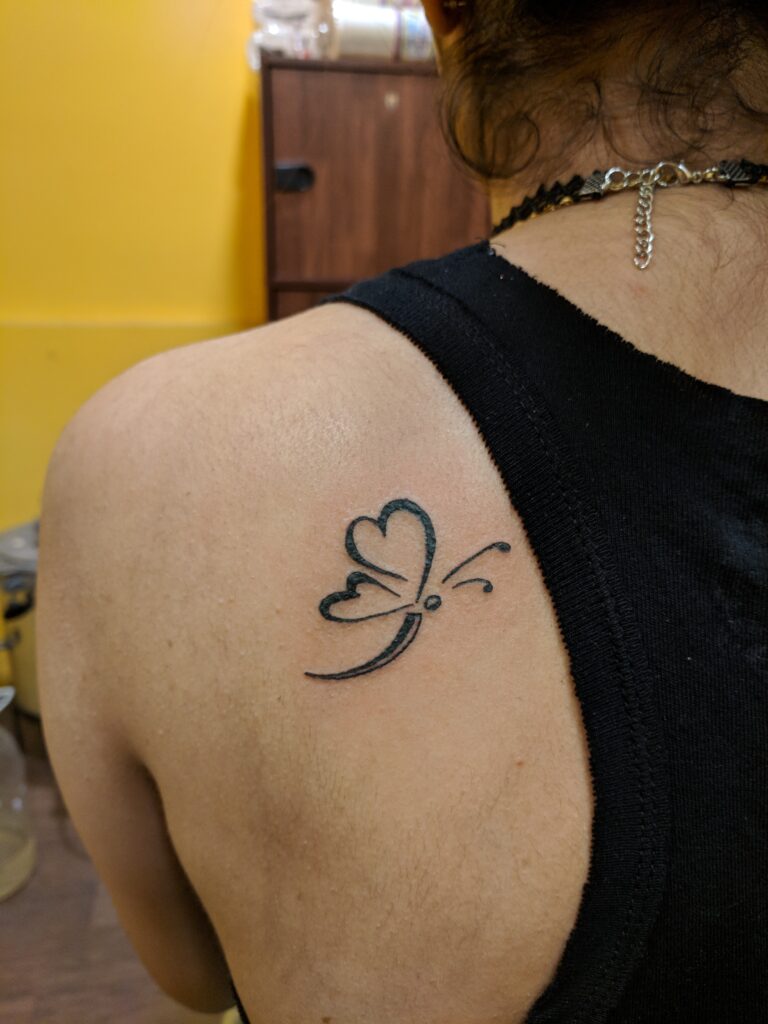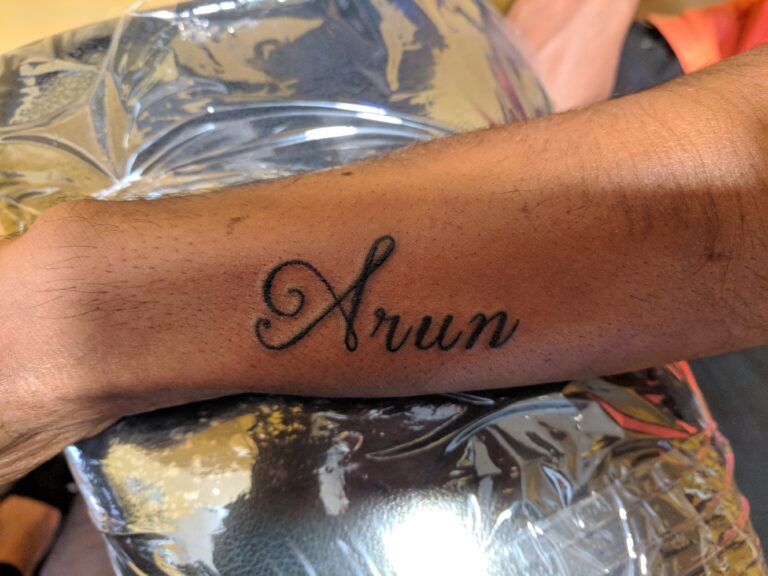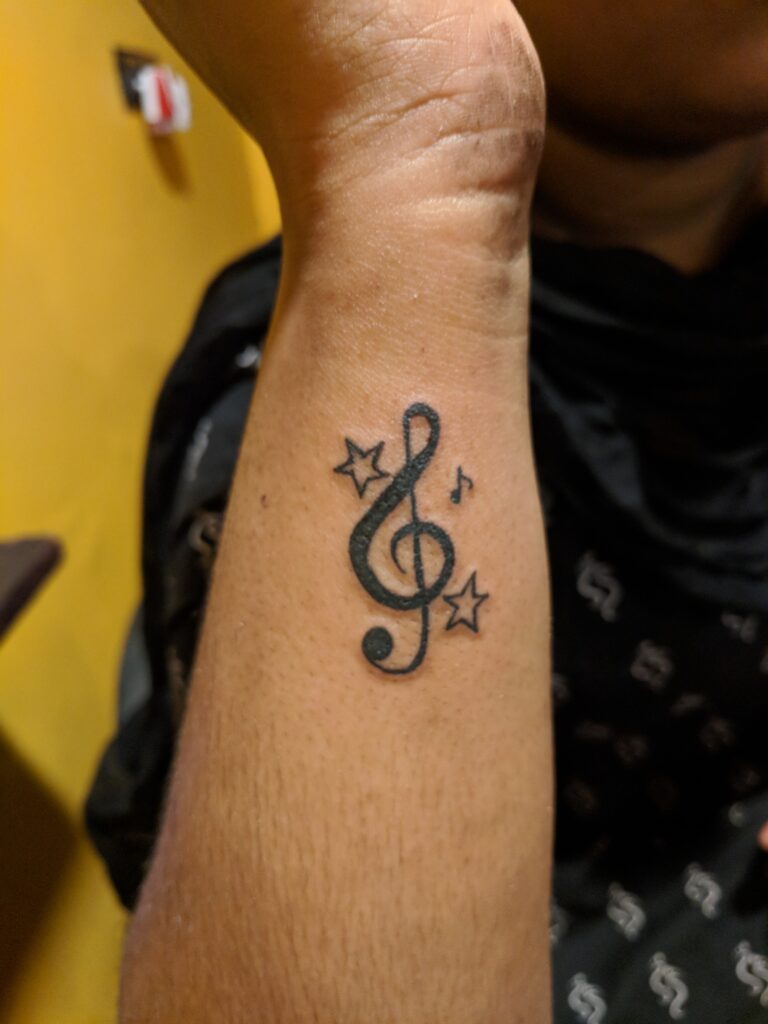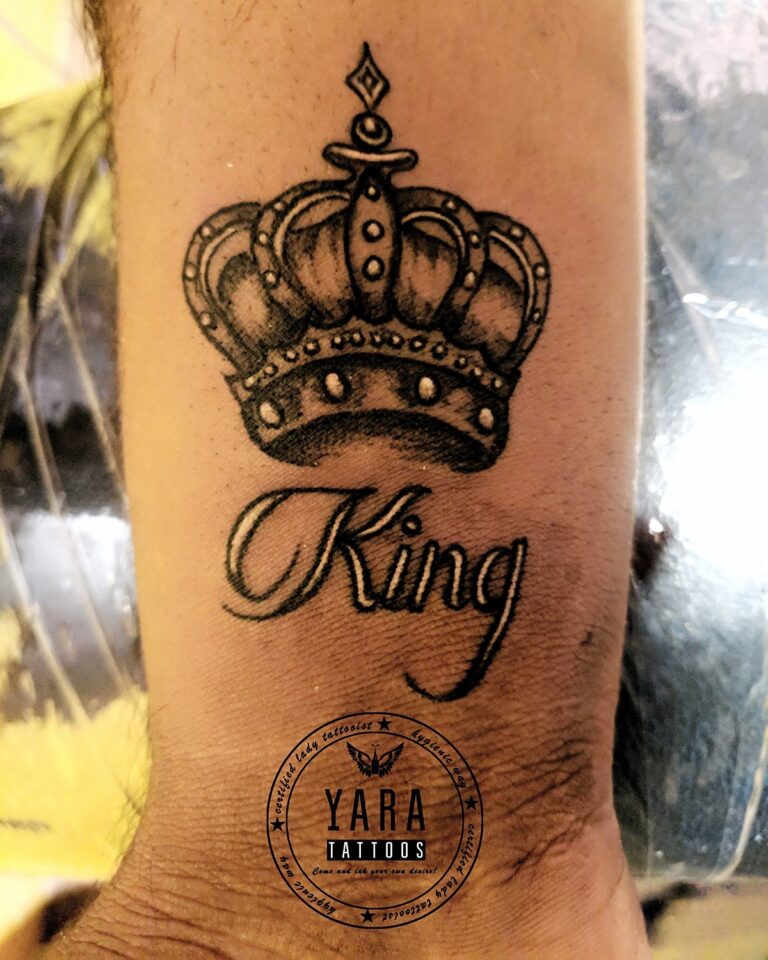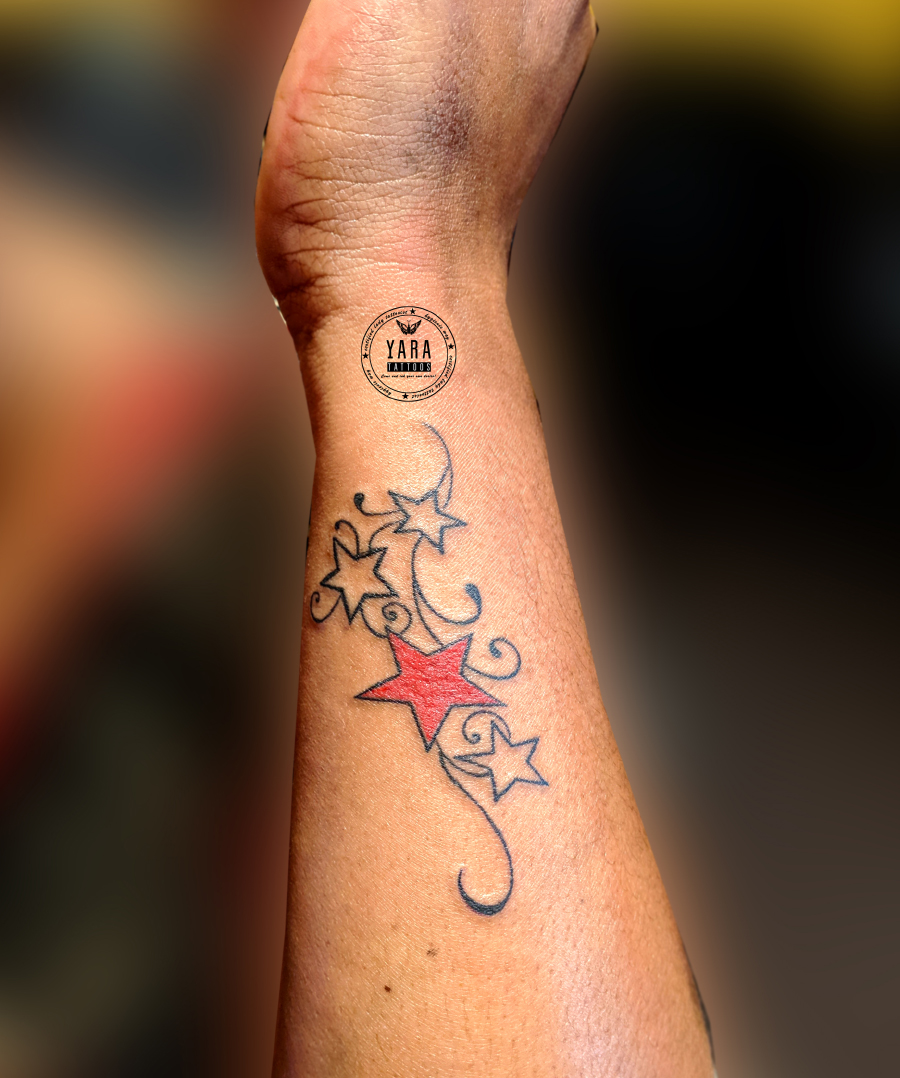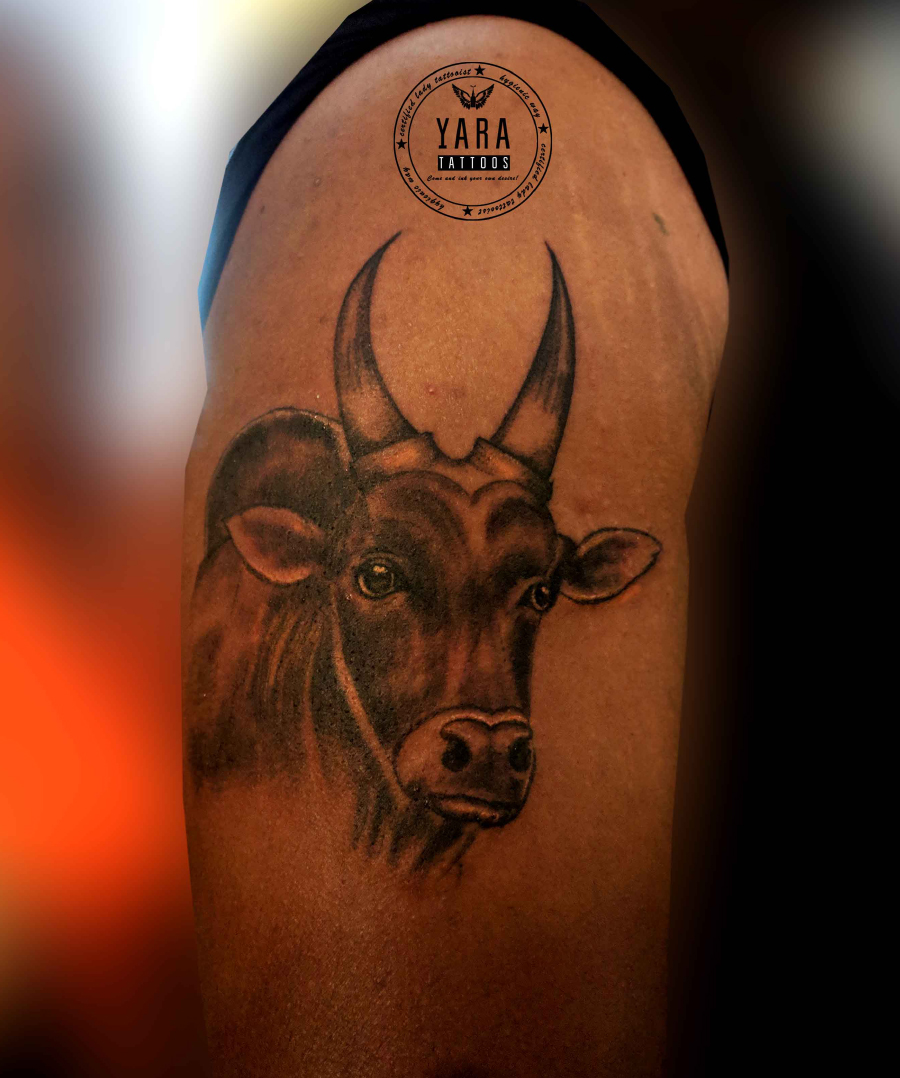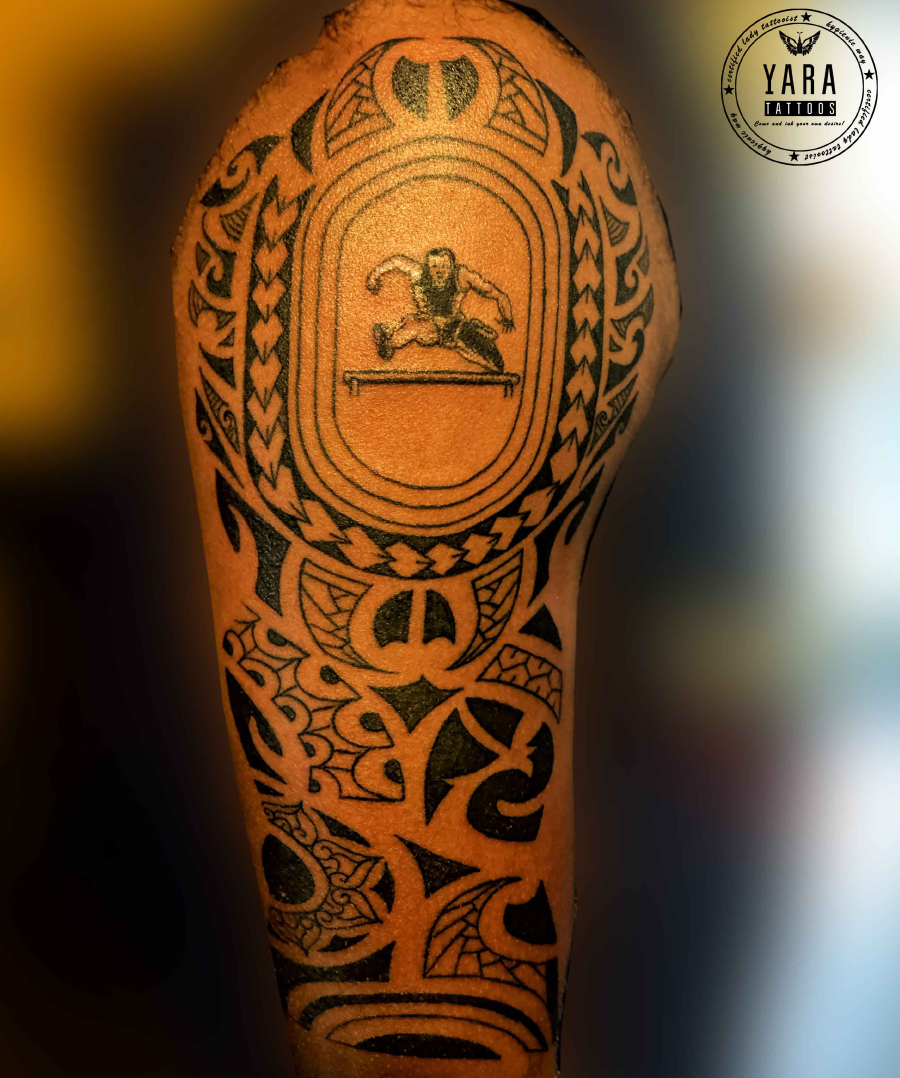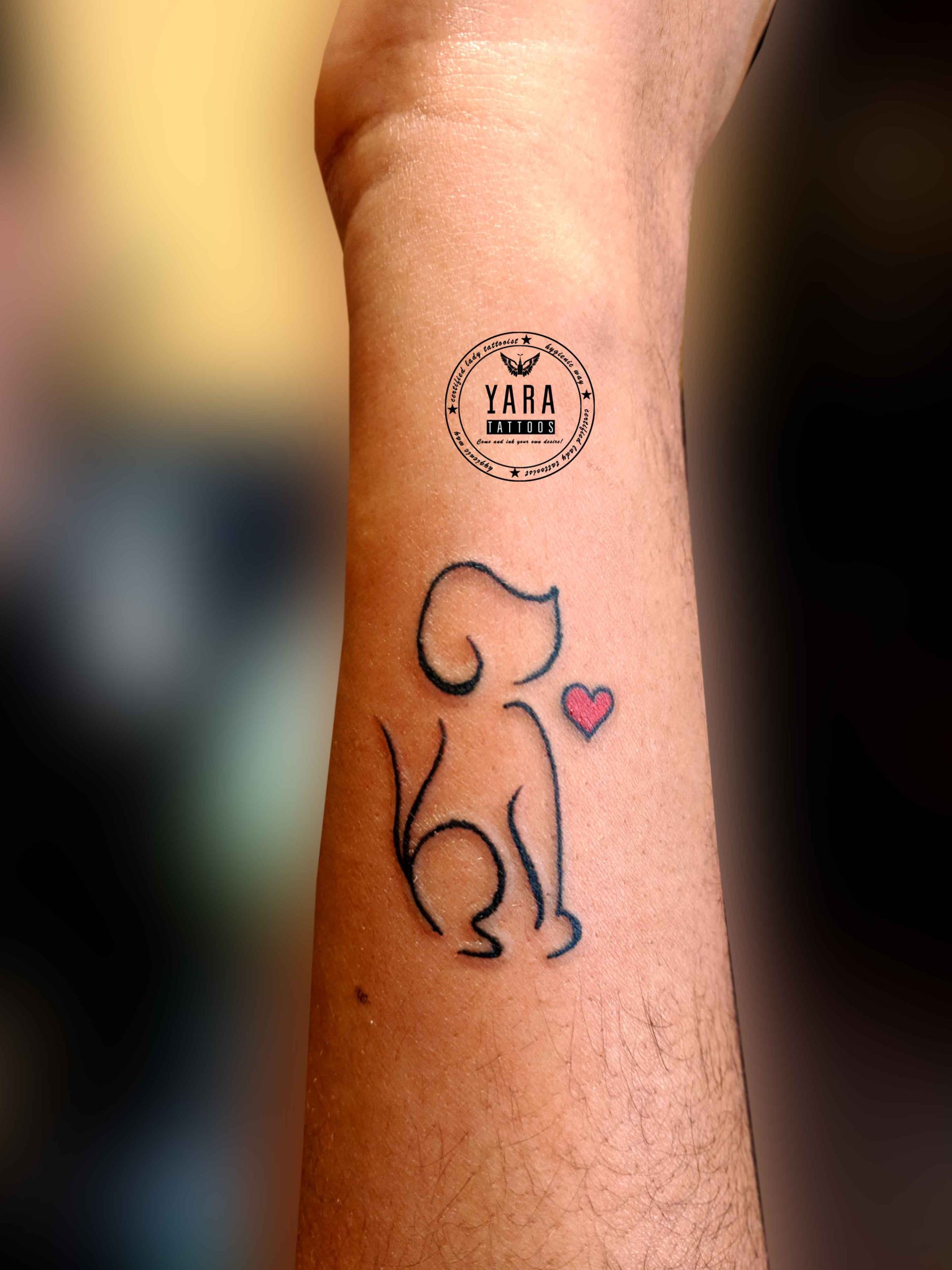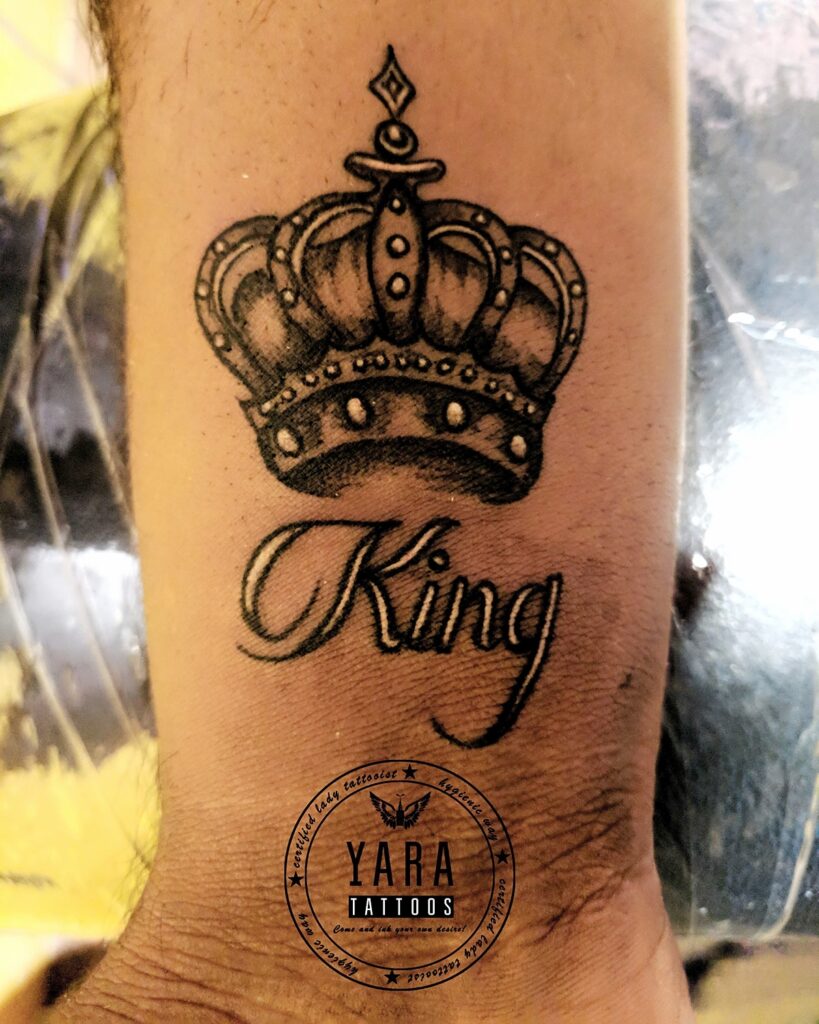
Many people believe that permanent tattoos never fade, but the truth is that they do fade over time due to lifestyle, skin type, and tattoo quality. While a tattoo will not disappear completely, it can soften and lose sharpness as the years go by.
Why Do Tattoos Fade at All?
When a tattoo is applied, your body immediately begins the skin renewal process. Your immune system works to break down the ink particles, which causes the tattoo to gradually lighten. Because skin is a living organ, fading is natural over time.
Skin aging is another major factor. As you grow older, your skin becomes thinner and loses elasticity. Even though tattoo ink is placed in the dermis, changes in the skin can cause the design to blur and lose definition.
Common Reasons Tattoos Fade Faster
Some tattoos fade more quickly than others due to specific factors:
Sun Exposure
Sunlight is the biggest enemy of tattoos. Excessive sun exposure breaks down ink pigments and makes tattoos appear dull. Protecting your tattoo from UV rays is essential.
Improper Aftercare
Proper aftercare is crucial during the healing process. Scratching, skipping moisturizer, or exposing a fresh tattoo to the sun can prevent the ink from settling properly and lead to premature fading.
Ink Quality
Ink quality plays a significant role in how long a tattoo lasts. High-quality inks retain color better, while cheap or diluted inks fade much faster.
Skin Type
Everyone’s skin reacts differently. Tattoos on dry or sensitive skin may fade faster, making hydration and regular moisturizing essential to maintaining sharp, healthy-looking ink.
Which Tattoos Fade More Quickly?
While all tattoos fade eventually, some styles and placements fade faster than others.
Light Colors
Light shades such as pink, yellow, and light blue fade more quickly than darker colors. These pigments are more sensitive to UV exposure and often lose brightness within a few years if not protected.
Fine-Line and Minimal Tattoos
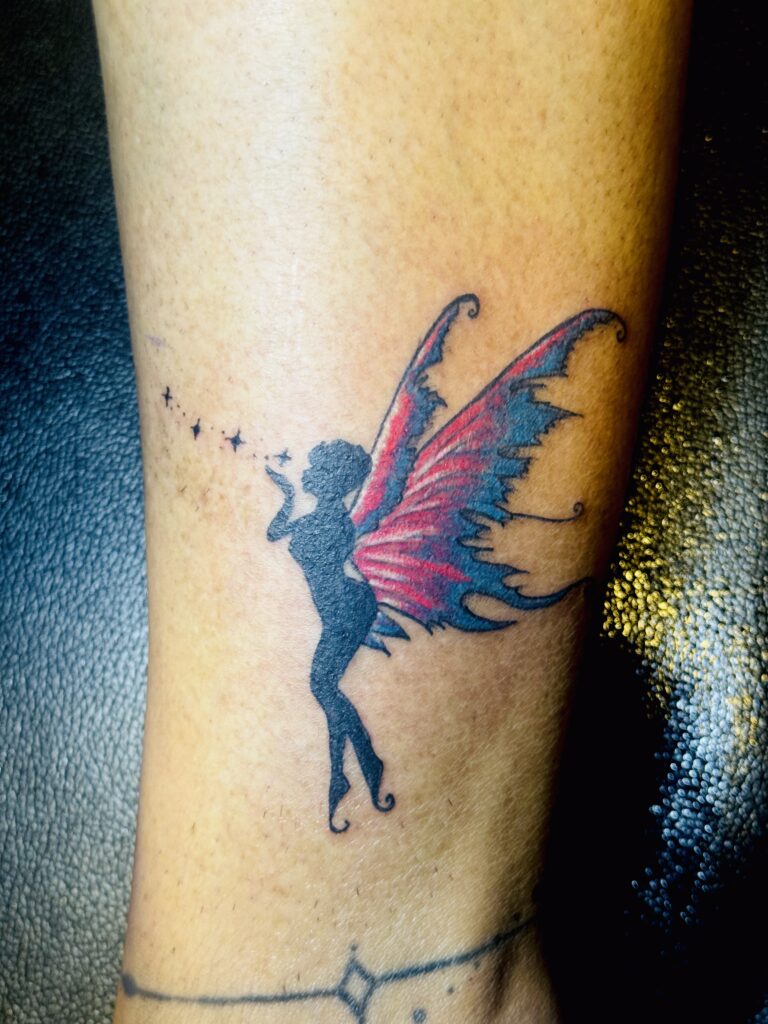
Fine-line and minimalist tattoos use less ink and thinner lines. As the skin changes over time, these designs may blur and fade faster than bolder styles.
Areas With High Friction
Tattoos on fingers, feet, ankles, and other high-movement areas fade more quickly due to constant friction, movement, and exposure to clothing.
Tattoo Placements That Hold Up Best Over Time
Some areas of the body preserve tattoos better because they experience less friction and sun exposure.
Long-Lasting Placements
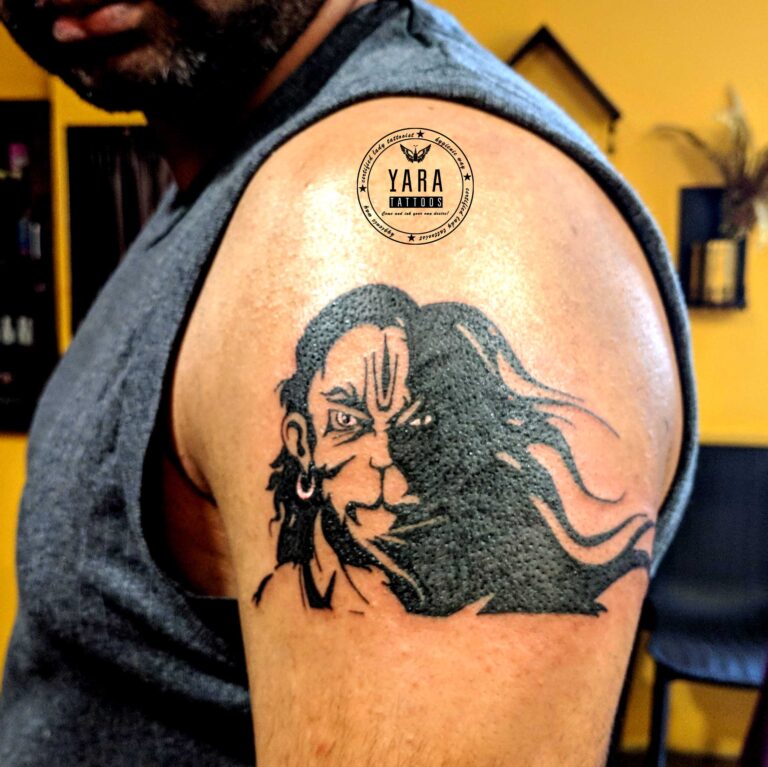
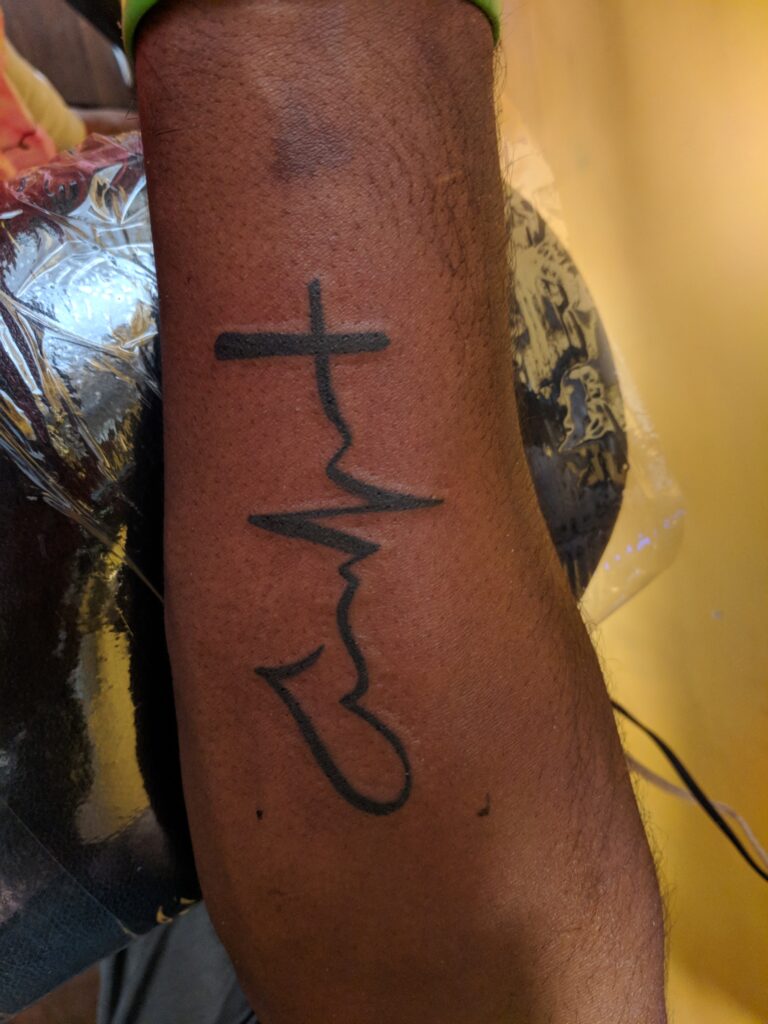
Areas such as the upper arm, shoulder blade, back, spine, and forearm tend to hold tattoos well. These locations provide a stable surface for ink and age more slowly, helping tattoos retain color and clarity for many years.
Areas That Fade Faster
Hands, feet, inner thighs, and the stomach often fade faster due to frequent movement, sun exposure, and friction. These areas require extra care and protection.
How to Reduce Fading and Keep Your Tattoo Looking Fresh
Proper care can significantly slow down tattoo fading:
- Apply sunscreen regularly to protect against UV damage
- Keep your skin hydrated with a good moisturizer
- Avoid harsh scrubs and chemical peels on tattooed skin
- Maintain a healthy lifestyle to support overall skin health
Can a Faded Tattoo Be Restored?
A faded tattoo does not mean it is permanently damaged. Several options can restore its appearance:
Tattoo Touch-Up
A touch-up is the simplest way to refresh a tattoo. An artist can reinforce lines and shading, making the design look darker, clearer, and more vibrant.
Tattoo Cover-Up
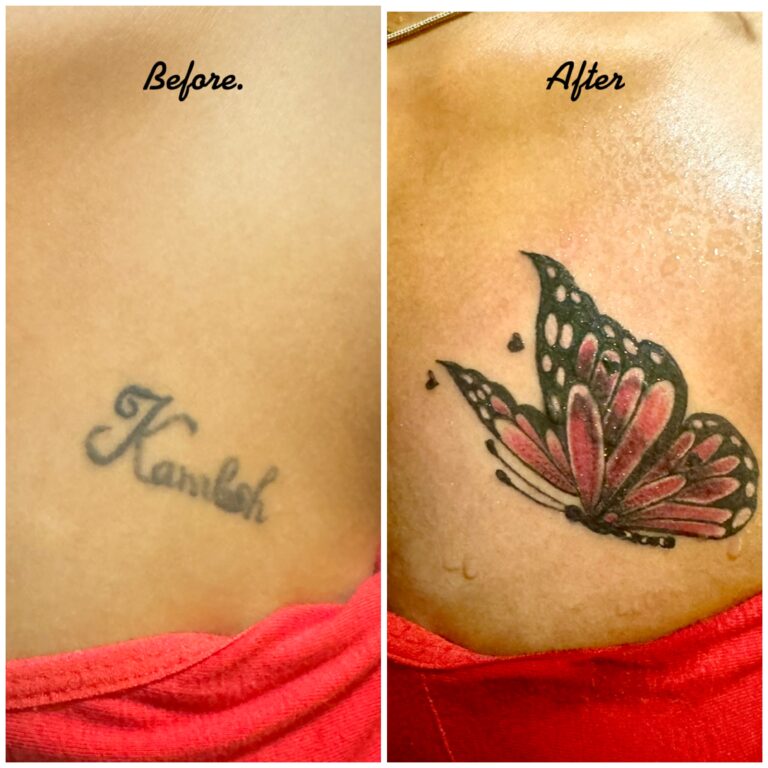
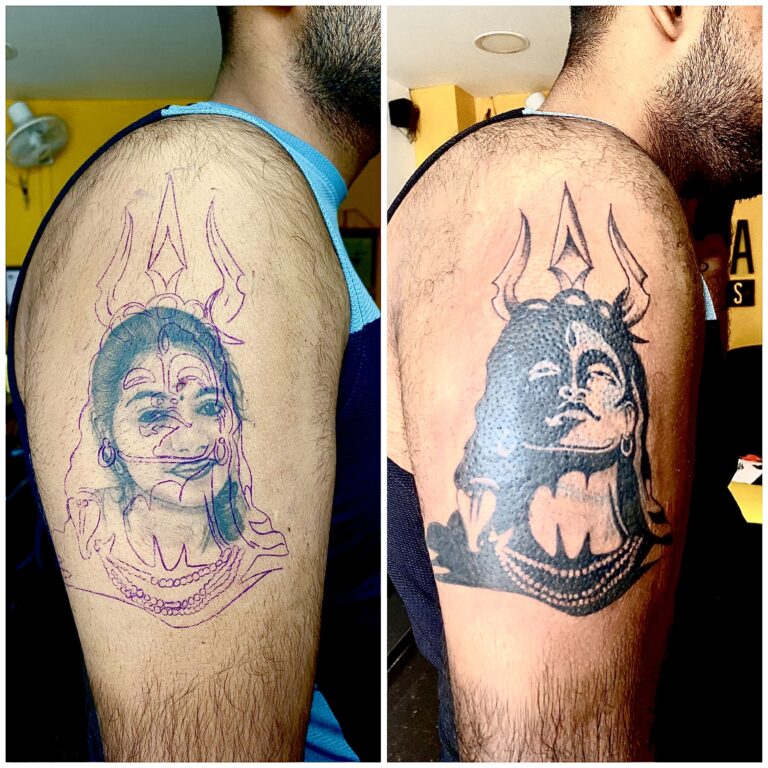
If a tattoo is very old or heavily faded, a cover-up with a new design can replace the original and give it a completely new look.
At Yara Tattoos, we believe a tattoo is more than just art, it is a lifelong expression. While permanent tattoos naturally fade over time, our professional team understands how tattoos age and provides expert guidance to ensure your tattoo remains a meaningful and beautiful part of your life.