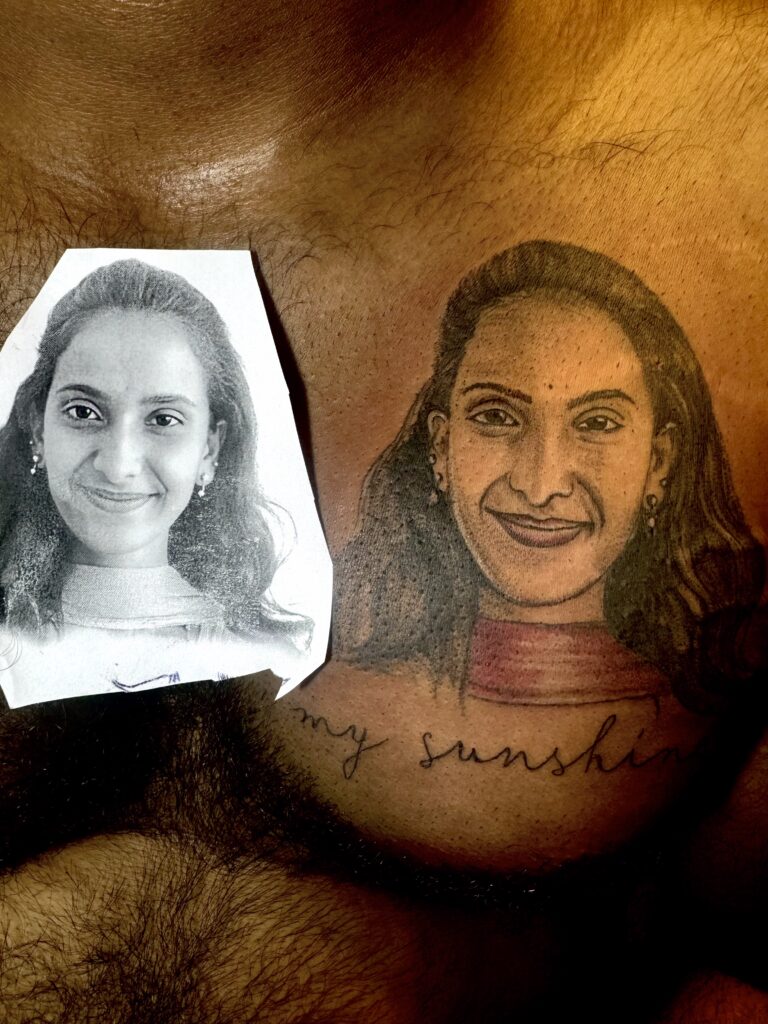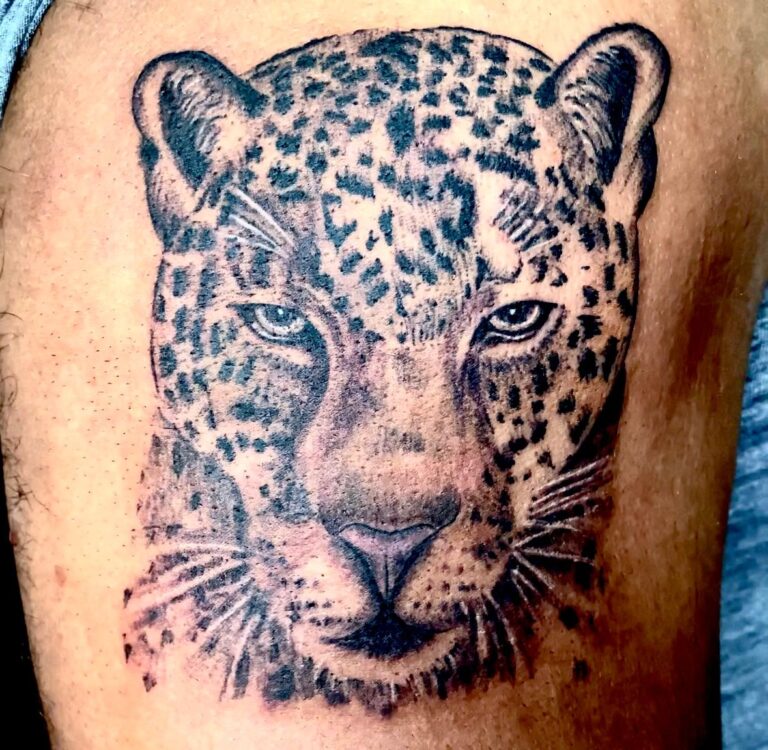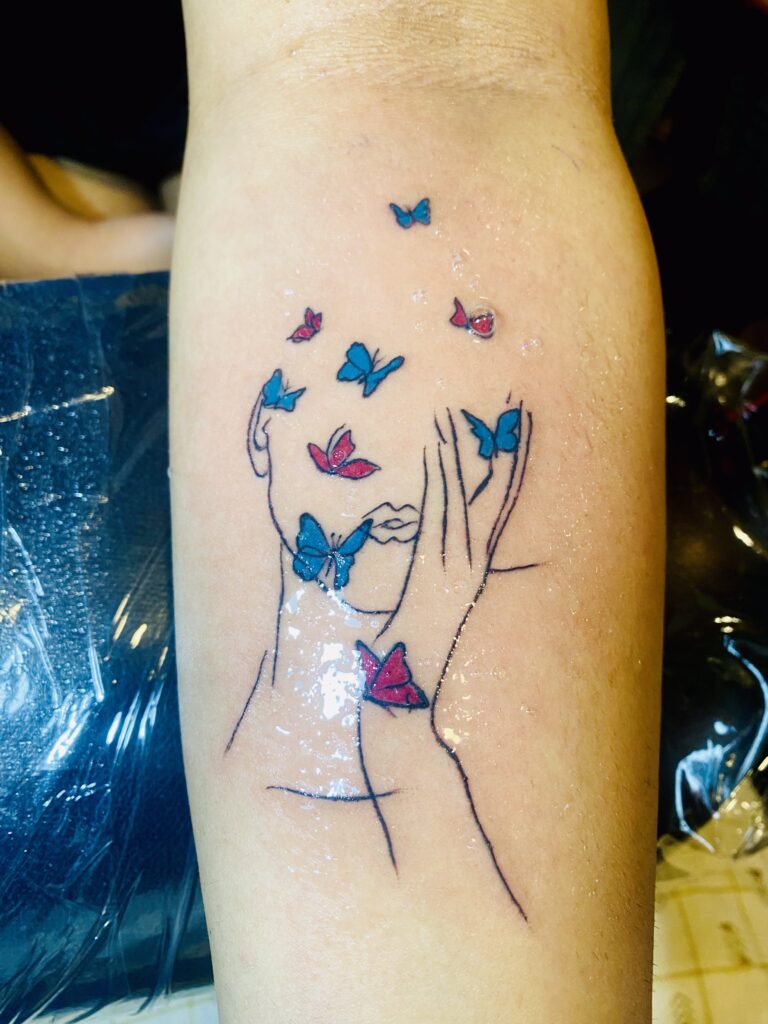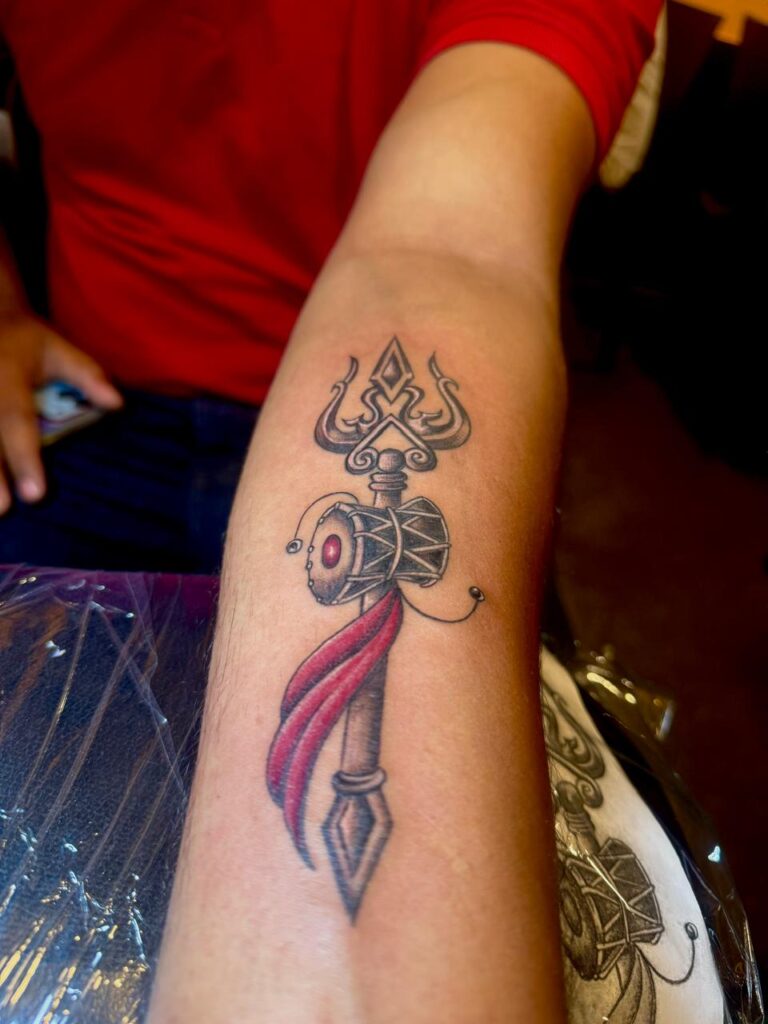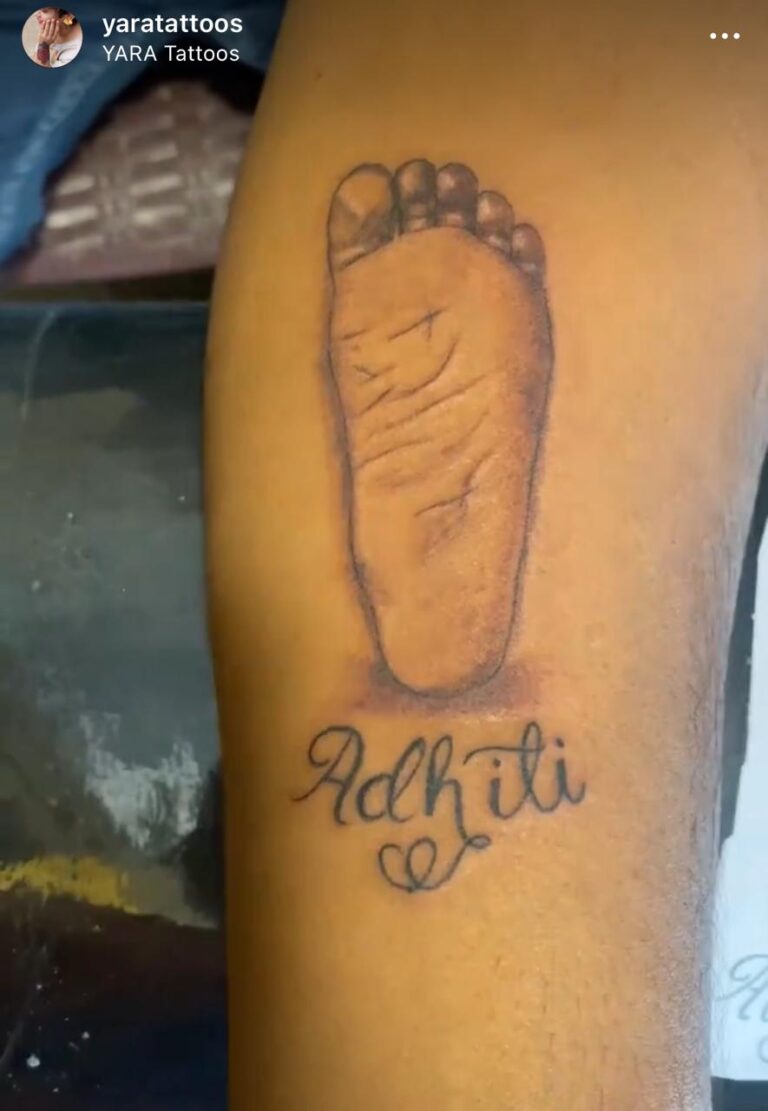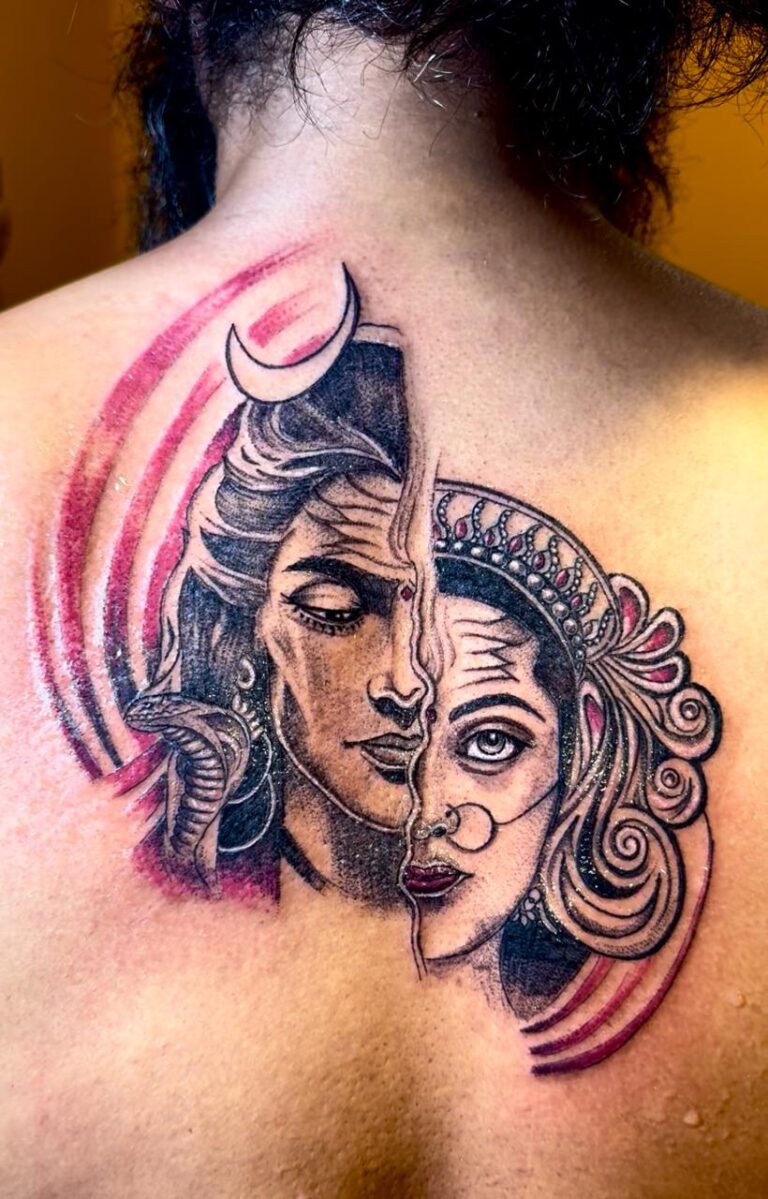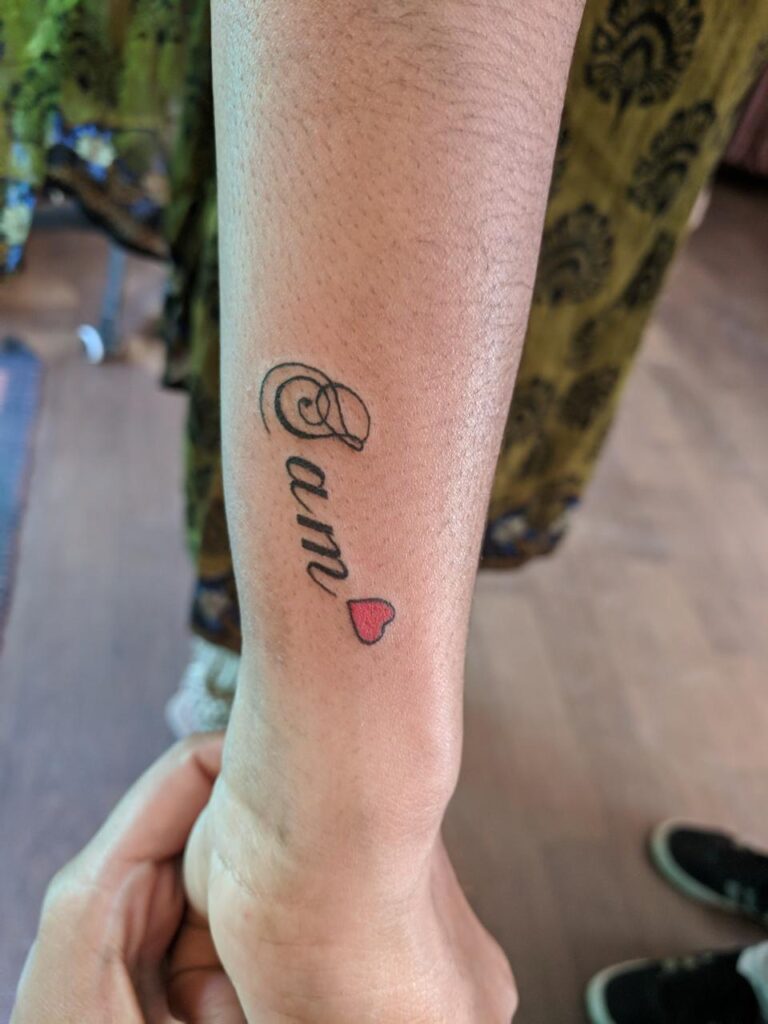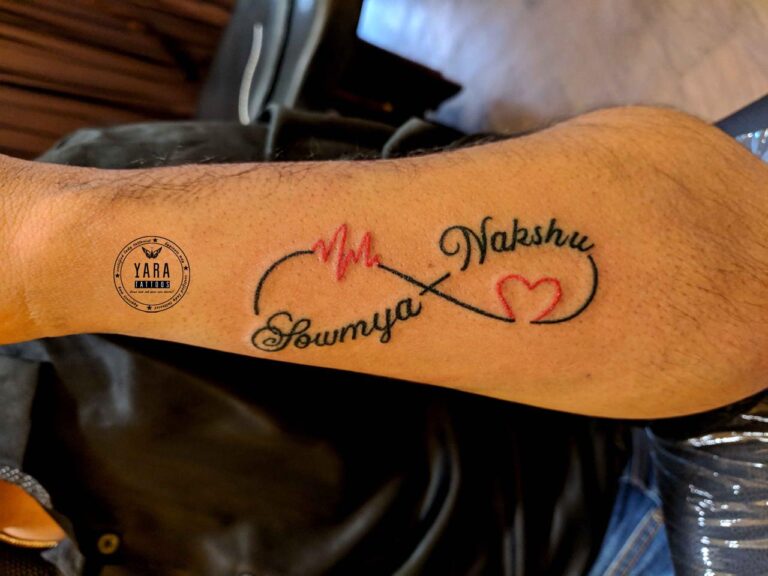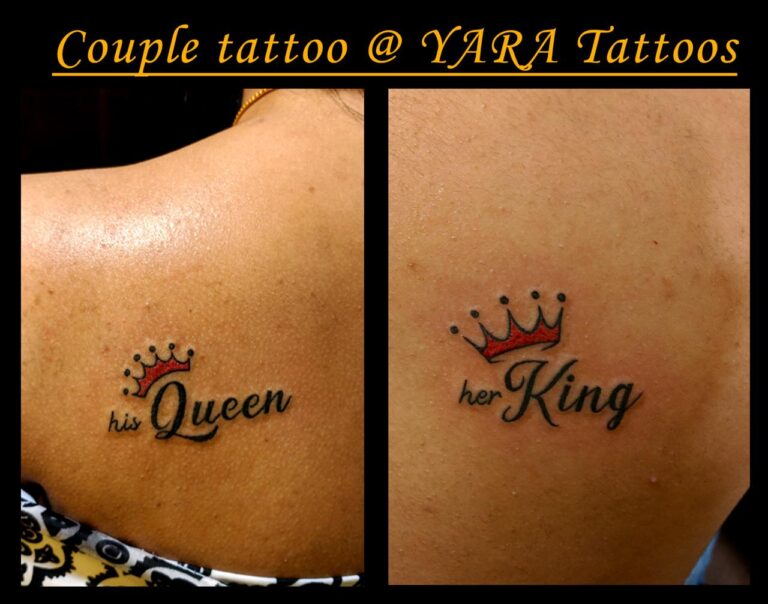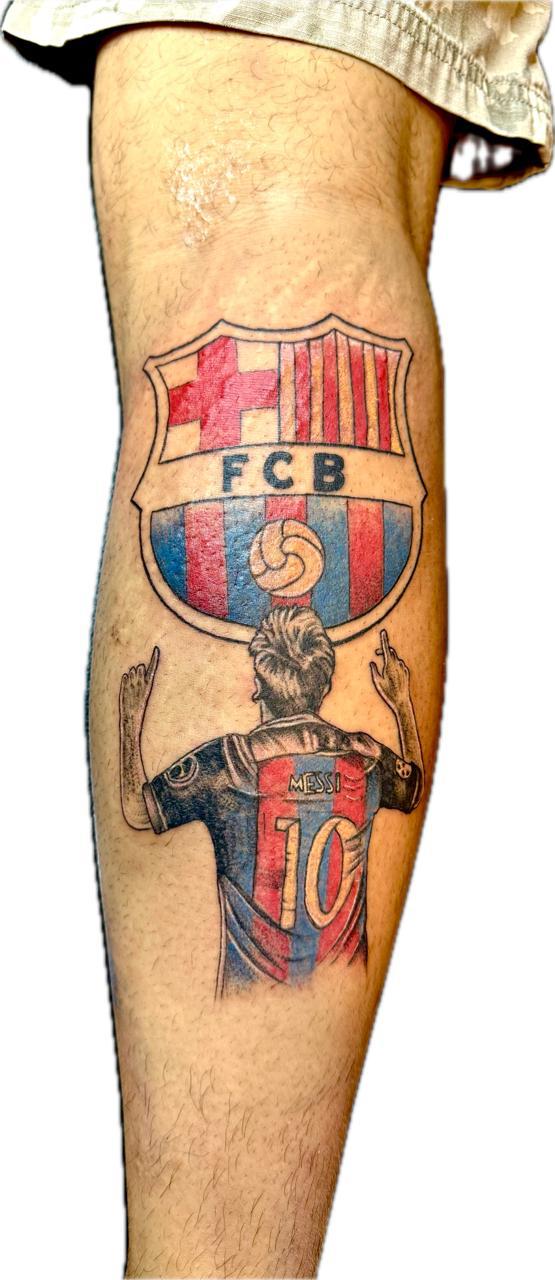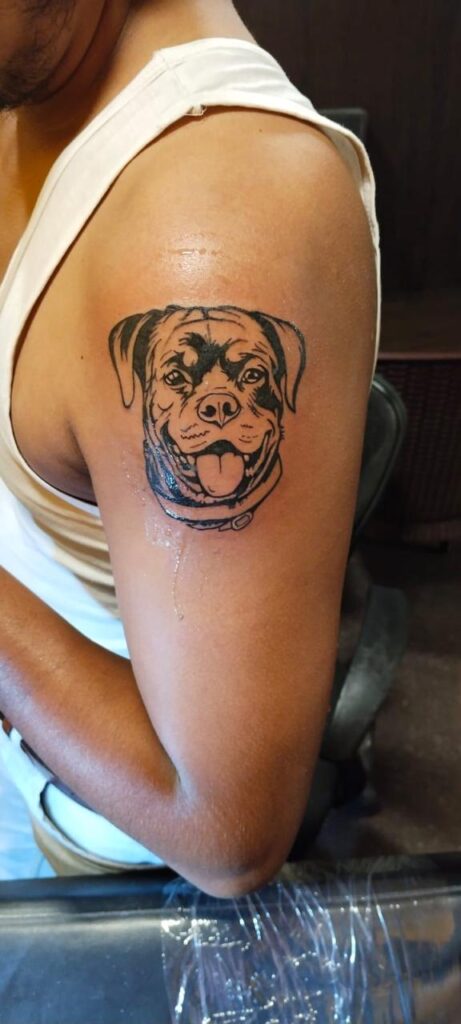
Portrait tattoos are one of the most detailed and demanding tattoo styles. To make a portrait look realistic, artists rely heavily on lighting and shadows. These elements define shape, depth, and emotion, turning simple outlines into lifelike artwork.
Why Lighting Matters in Portrait Tattoos
Lighting is the foundation of a realistic portrait tattoo. It determines where highlights appear and how the contours of the face are shaped.
Creates the Direction of the Image
When an artist chooses a light source, they decide how the viewer will see the portrait. Strong directional lighting creates bold contrasts, while soft lighting produces smoother, gentler transitions. This choice affects the entire tattoo.
How Shadows Enhance Portrait Tattoo Realism
Shadows are just as important as highlights. They define depth and help the tattoo look three-dimensional.
Builds Depth in Facial Features
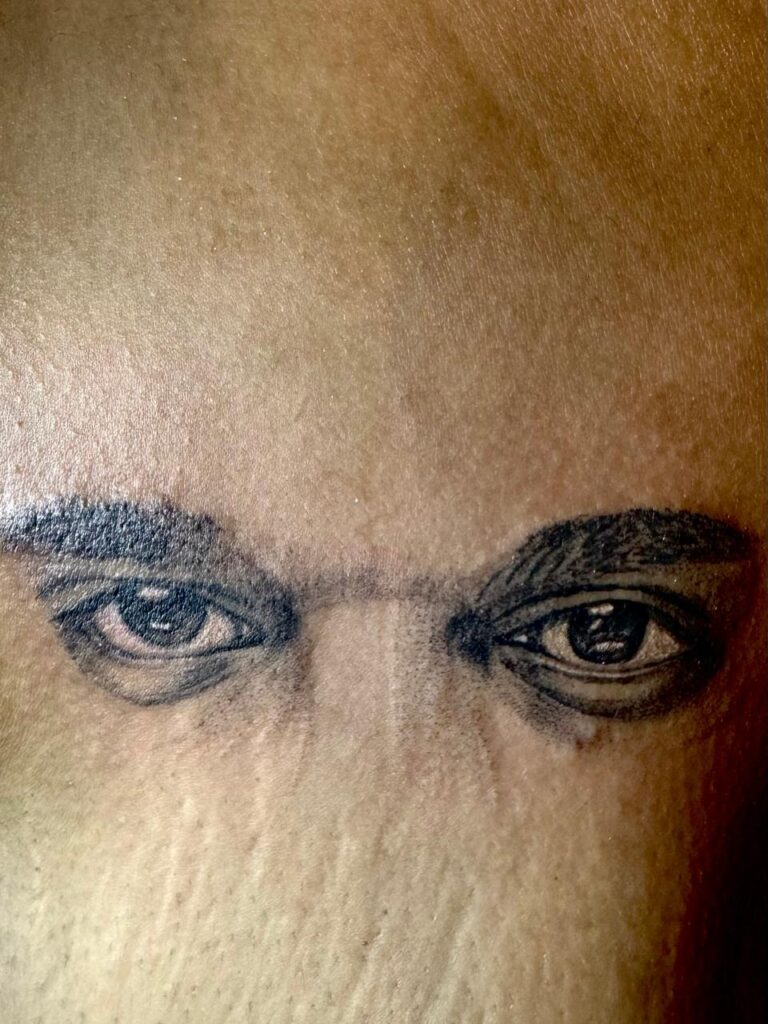
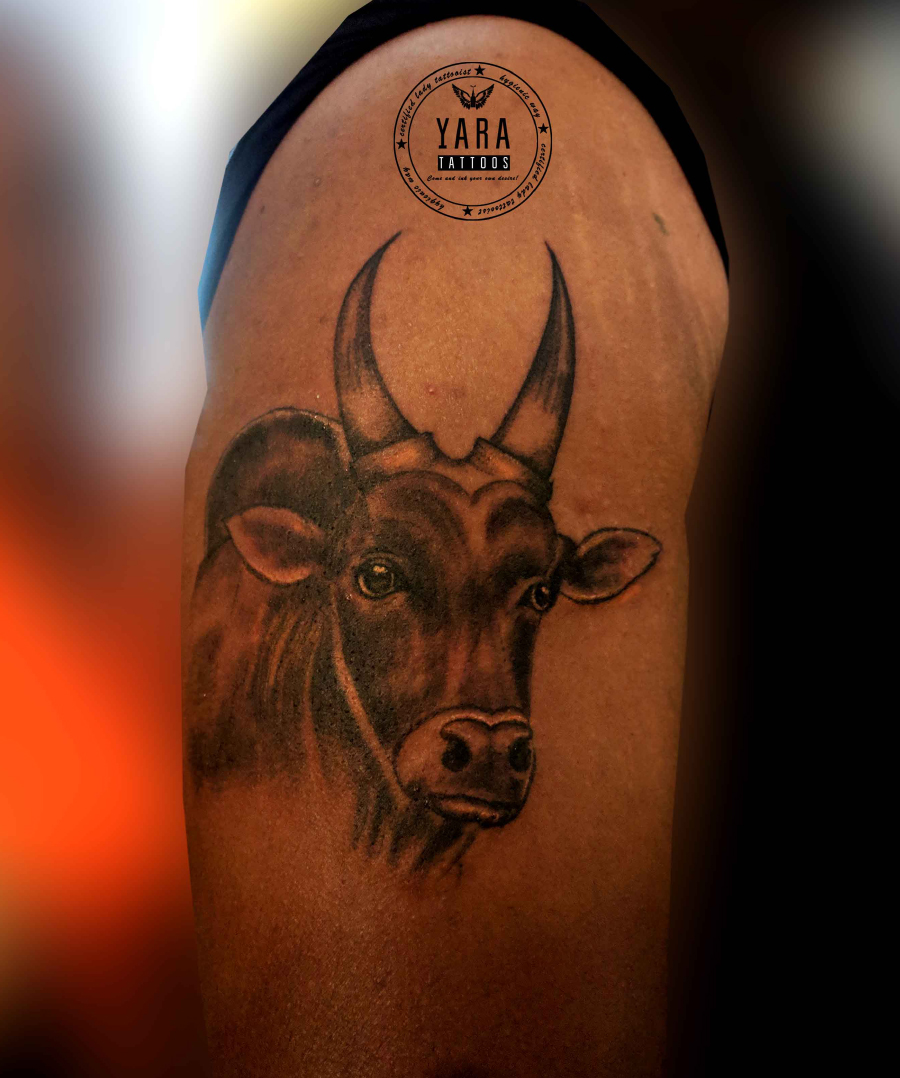
Shadows create the natural dips and curves in the skin. Areas like eye sockets, under the nose, and below the lips rely heavily on shading. When the shadows are placed correctly, the portrait gains structure and realism.
Shows Emotion and Mood
Shadows can change how a portrait feels. Softer shadows make the tattoo look calm and gentle, while deeper shadows give it a dramatic or intense look. Artists use shadows to match the personality of the person being tattooed.
The Role of Reference Photos
A high-quality reference photo with clear lighting helps the artist produce a realistic tattoo.
Why Good Lighting in the Photo Matters
If the original photo has poor lighting, the portrait may lack dimension. Strong light direction helps the artist see where highlights and shadows naturally fall.
Avoid Over-Filtered Photos
Filters can remove important details. Natural photos with clear light and shadow patterns give better results.
How Lighting and Shadows Affect Tattoo Longevity
Lighting and shading also play a major role in how a portrait ages.
Stronger Shadows Age Better
Deep shadows tend to hold up longer than very light shading. They keep the portrait readable even as the skin naturally changes over time.
Balanced Highlights Prevent Blurring
If highlights are too bright or large, the tattoo may lose detail as it heals. Balanced lighting keeps the features sharp and realistic.
Choosing the Right Artist for Realistic Portrait Tattoos
Portrait realism requires skill, patience, and a deep understanding of how lighting and shadows work. When choosing an artist, look for:
- A portfolio with consistent portrait work
- Mastery of contrast and smooth shading
- Clear, lifelike details
- Experience with black-and-gray or color realism
If you’re considering getting a portrait tattoo, make sure to work with an experienced artist who understands how to use lighting and shadows to create a truly realistic design. At Yara Tattoos, our skilled artist specializes in detailed portrait tattoos.