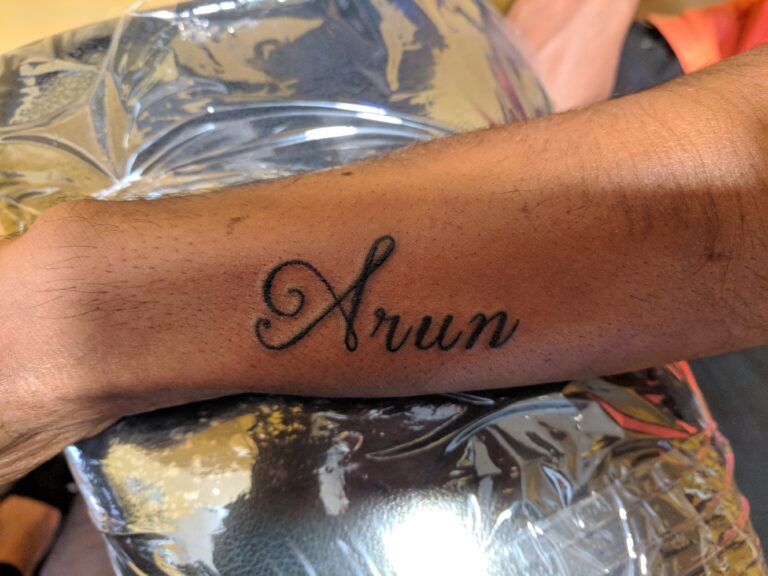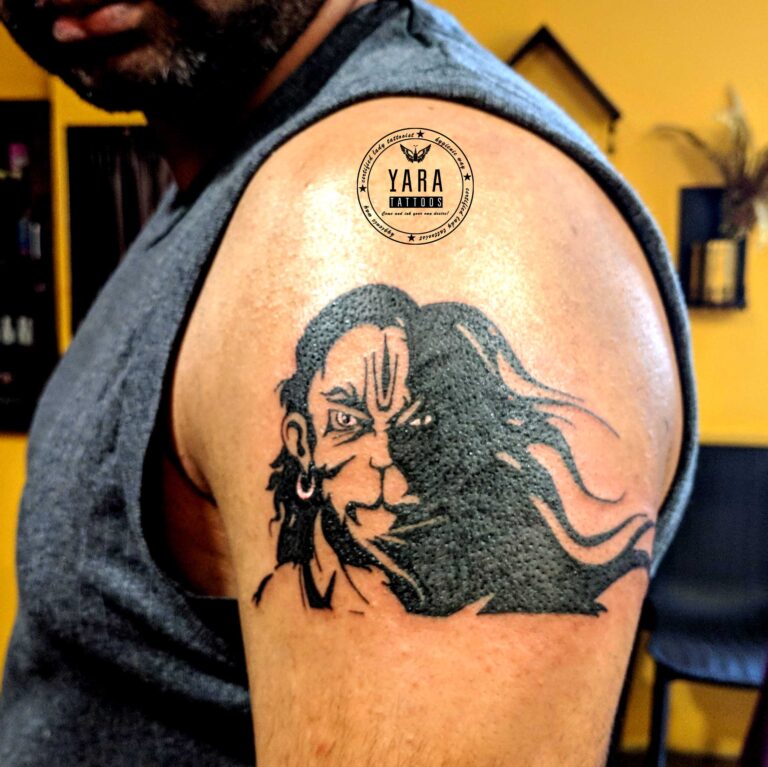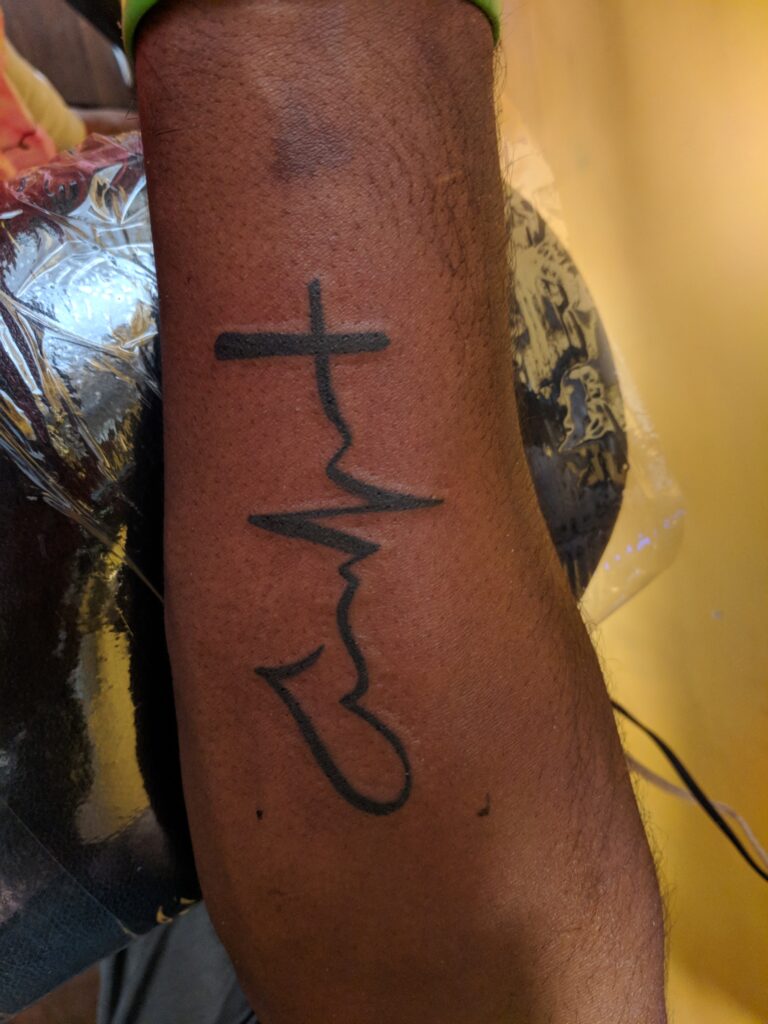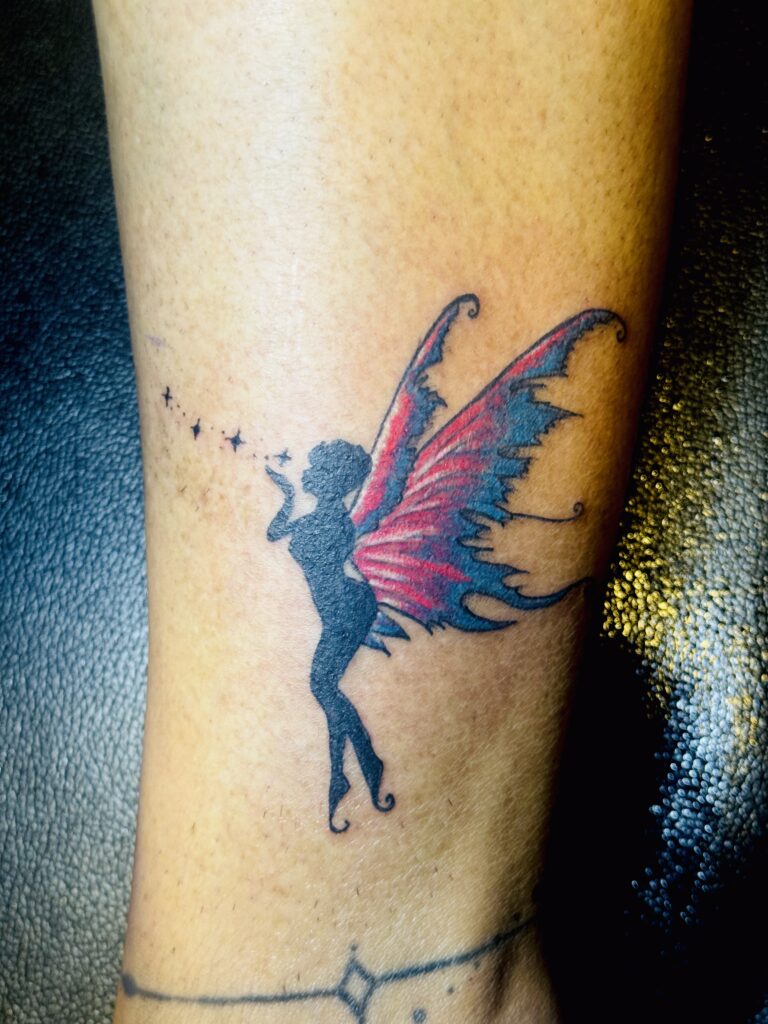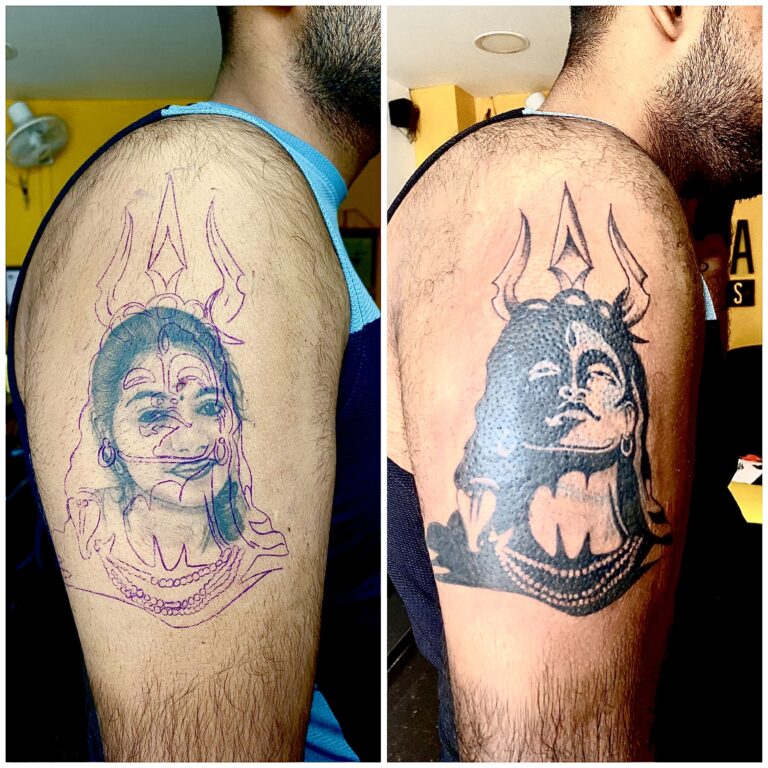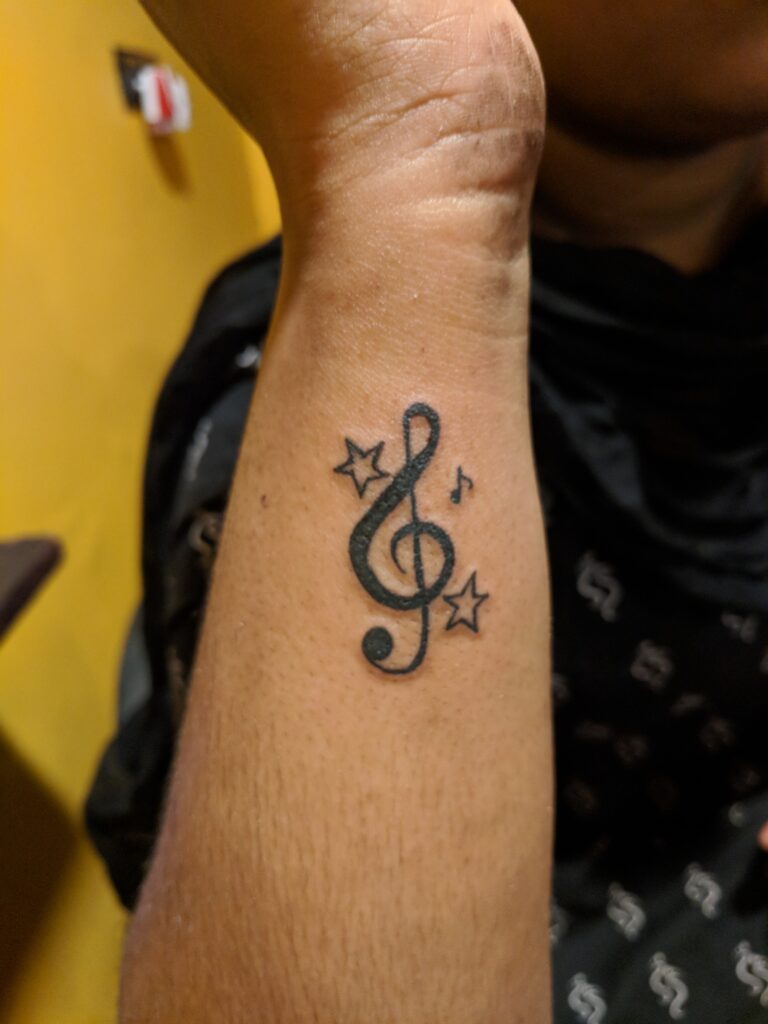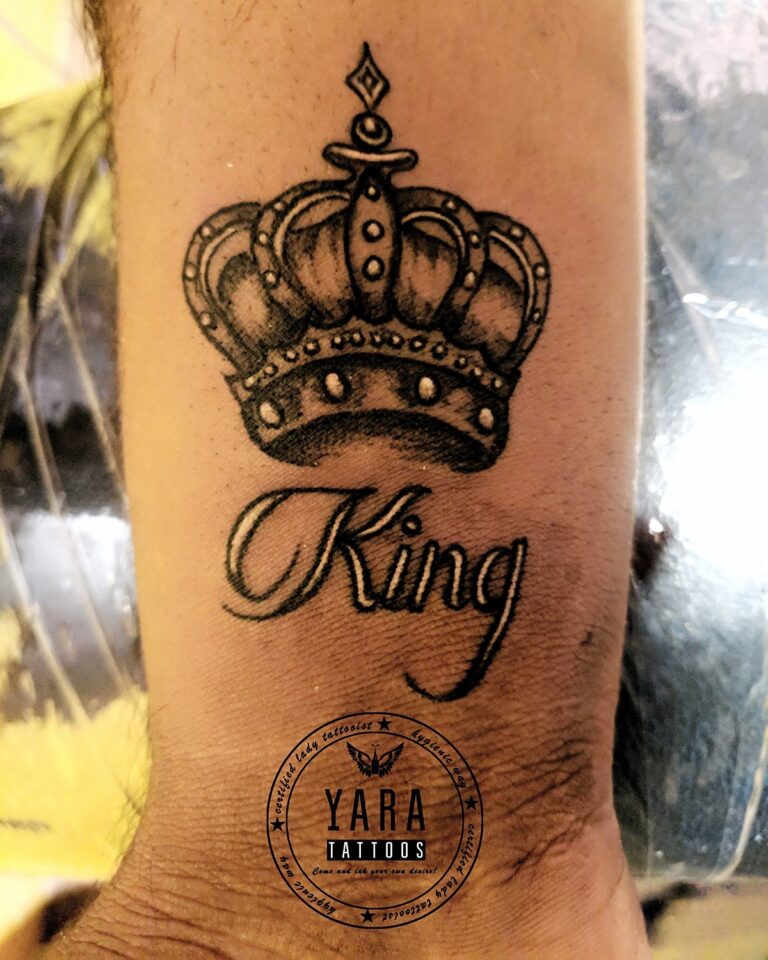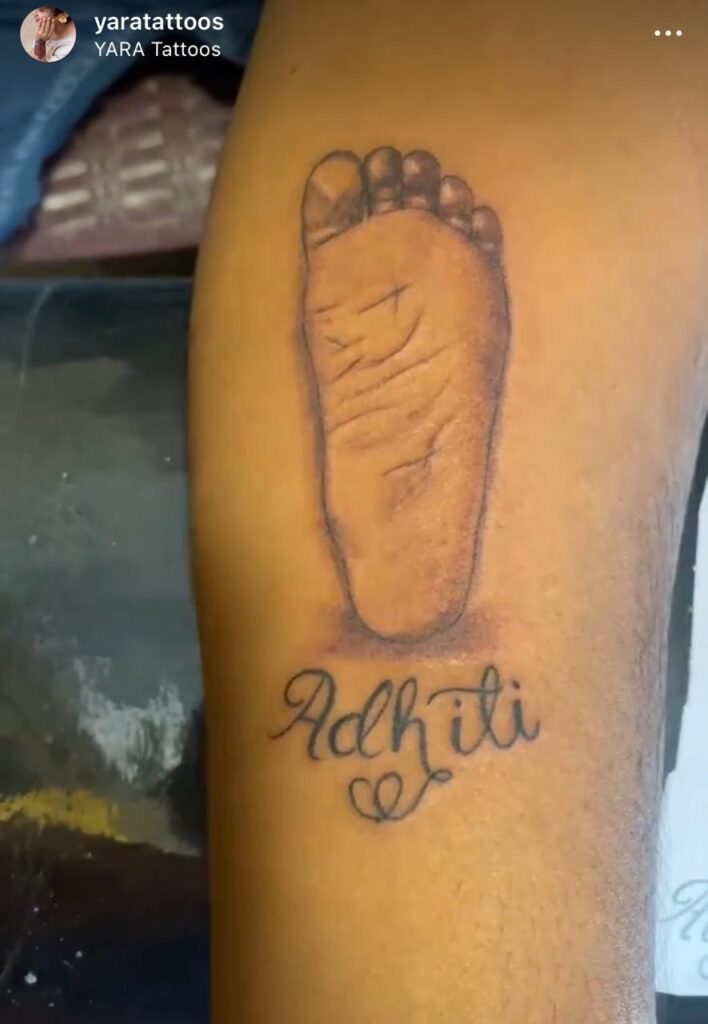
Portrait tattoos rely heavily on precision, contrast, and smooth gradients. However, one major factor shapes how these details show on the client’s skin tone. Understanding how skin tone affects portrait tattoo detailing helps you choose the right design approach and ensures long-lasting clarity and realism.
Why Skin Tone Matters in Portrait Tattoos
Skin tone acts as the base layer for any tattoo. Portrait tattoos include fine details like hair strands, shadows, facial lines, and subtle highlights. The natural color of the skin influences how these elements appear.
Darker skin tones may hide softer gradients, while lighter skin tones may show sharper contrast. Knowing these differences helps artists make informed choices that keep your portrait tattoo clean and realistic.
Understanding Skin Tone and Undertone
Skin Tone Categories
Tattoo artists usually group skin tones into three broad categories:
- Light
- Medium
- Deep (Dark)
Each tone reflects ink differently, and this changes how fine details appear.
Undertones Also Matter
Along with tone, undertones affect how the portrait looks:
- Warm undertones (yellow, golden)
- Cool undertones (pink, red, bluish)
- Neutral undertones (balanced)
The undertone can shift how black, gray, and highlight inks heal on the skin.
How Skin Tone Affects Portrait Tattoo Detailing
Contrast and Visibility
Contrast is the foundation of portrait realism.
- Lighter skin tones allow strong contrast, making small details more visible.
- Medium and deep skin tones need adjusted contrast because subtle shades may blend into the skin.
Artists create contrast using stronger lines, bolder shading, and strategic placement of highlights.
Shading and Smooth Gradients
Shading shows depth in portrait tattoos.
- Light and medium skin tones can hold soft transitions more easily.
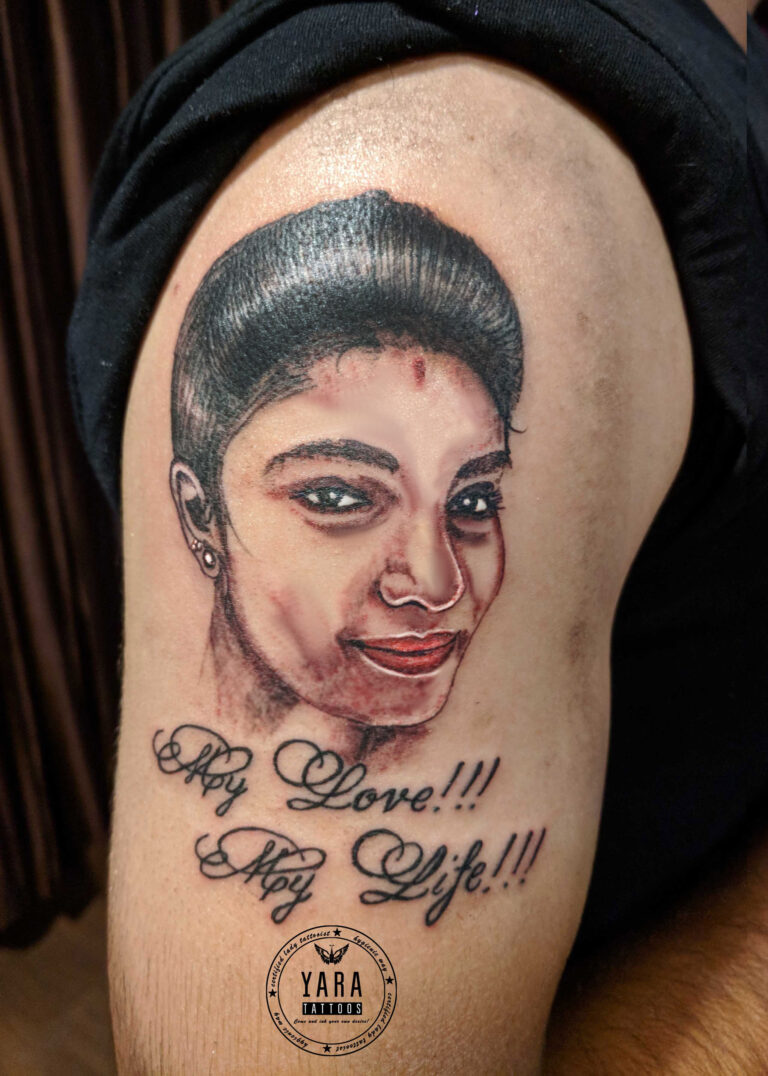
- Deep skin tones may require bigger gradients and more defined shadows for the details to remain visible.
Best Practices for Portrait Tattoos on Different Skin Tones
Light Skin Tones
- Supports delicate linework
- Allows subtle gradients and bright highlights
- Ideal for high-contrast portraits
Medium Skin Tones
- Shading needs slightly deeper tones for visibility
- Works well with balanced contrast
- Requires moderate line thickness
Deep Skin Tones
- Linework should be slightly thicker for long-term clarity
- Best with simplified highlights
- Benefits from strong blacks and bold shading
How to Choose the Right Artist for Skin-Tone-Specific Portrait Tattoos
Not all artists specialize in portrait tattoos across all skin tones. Look for:
- A portfolio that includes your skin tone
- Knowledge of undertones and ink behavior
- Experience with black and gray realism
- Photos of healed tattoos, not just fresh ones
A skilled portrait artist understands how to adjust technique for every skin type.
If you want a portrait tattoo that stays clear and detailed for years, visit Yara Tattoos, choose our experienced artist who knows how skin tone shapes the final result. When you work with an artist who understands these differences, your portrait tattoo looks sharper, more realistic, and much more durable.