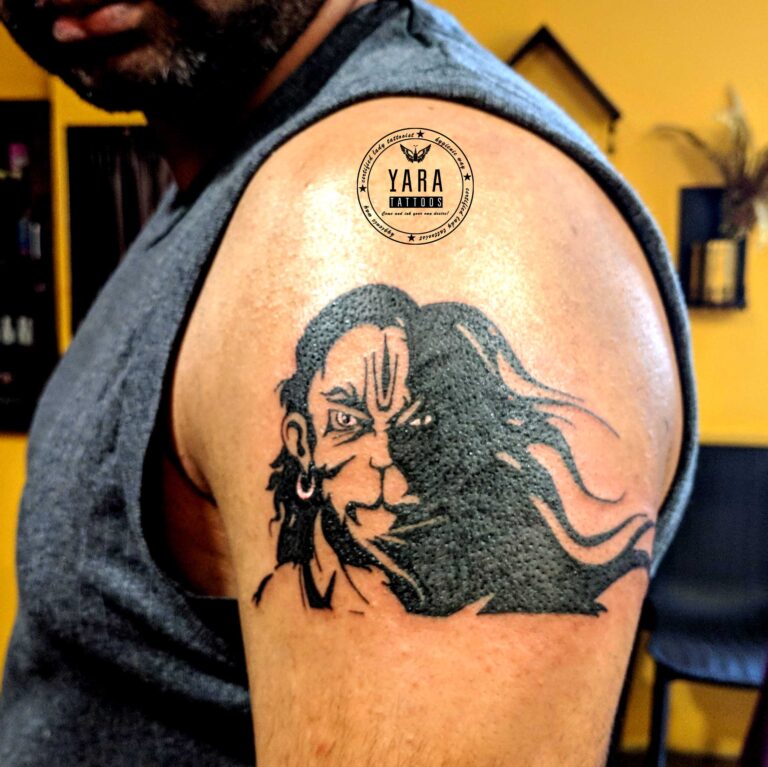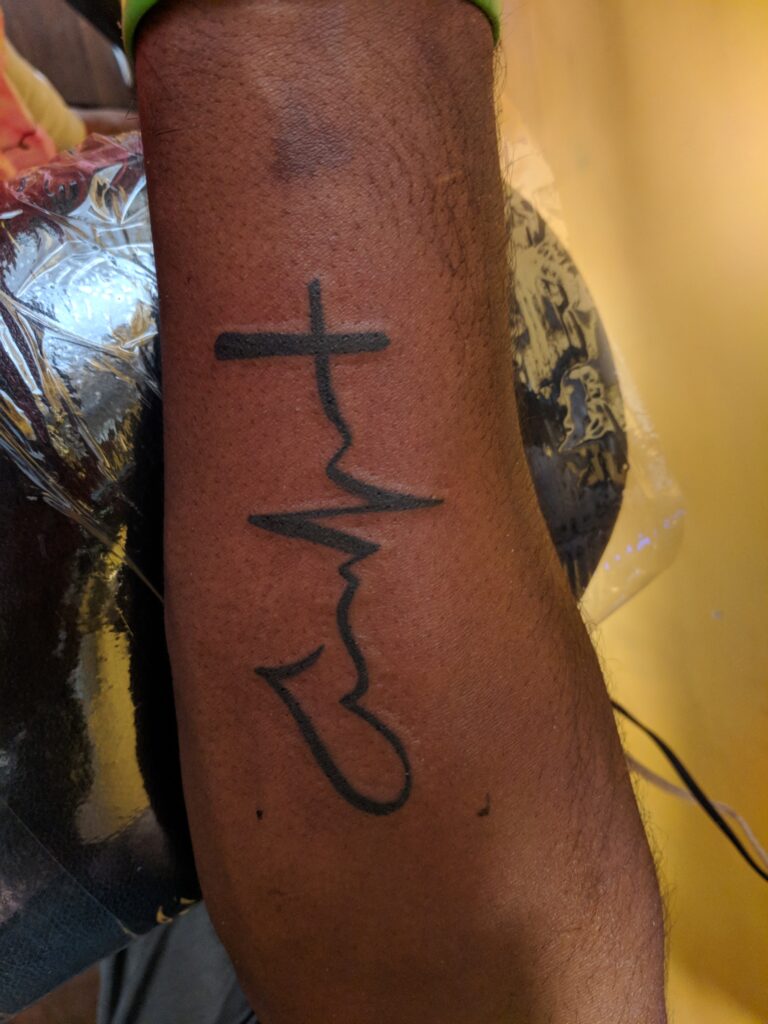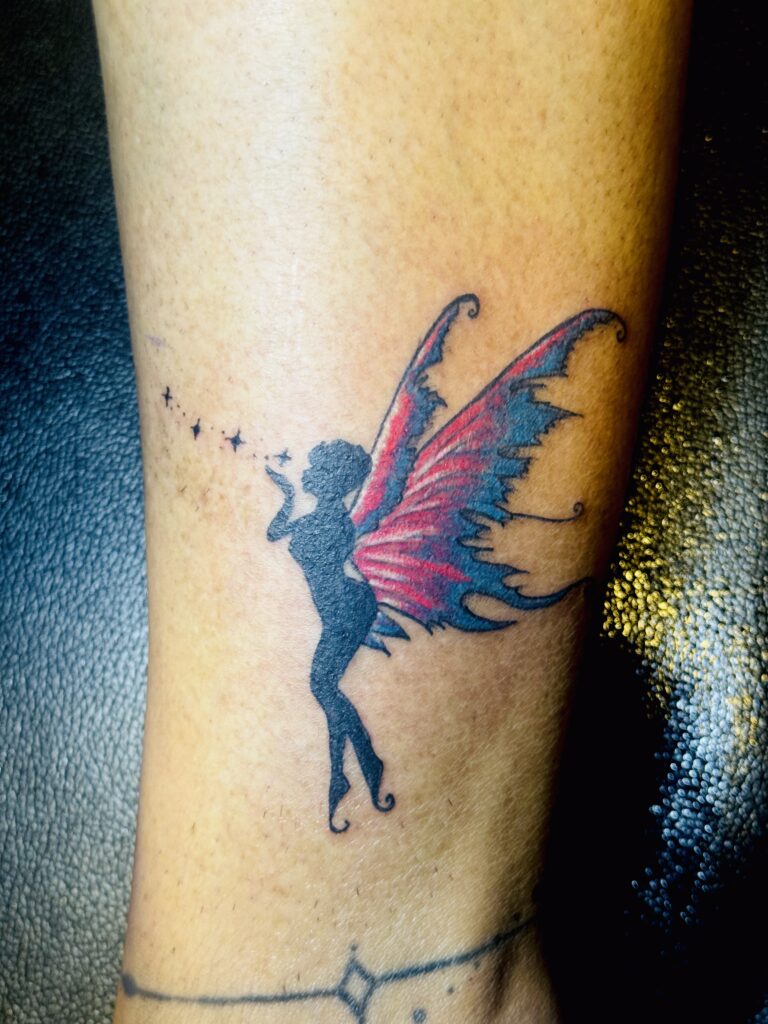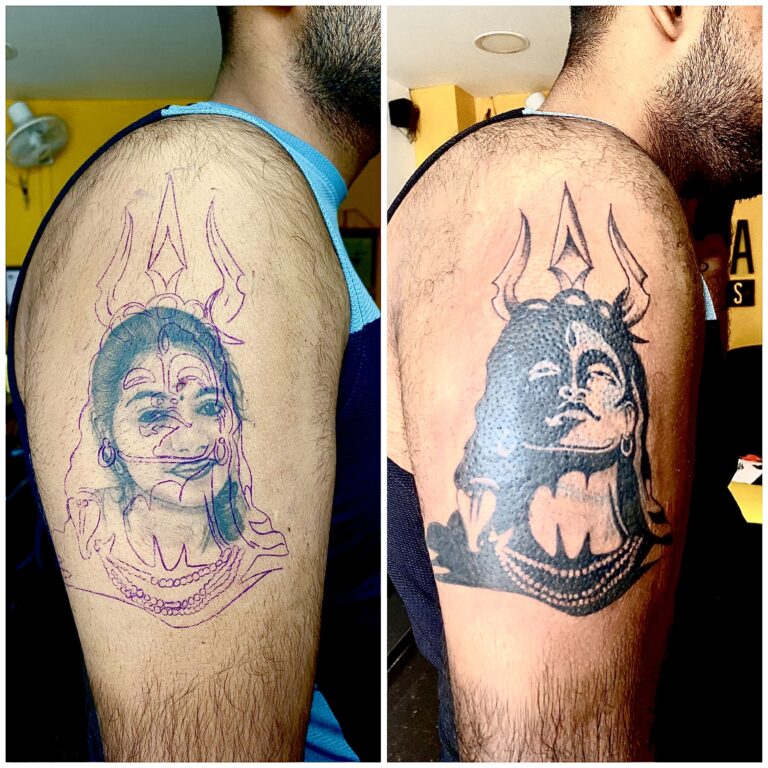
Portrait tattoos are among the most challenging and emotionally significant forms of tattoo art. Unlike abstract or symbolic designs, a portrait tattoo carries the responsibility of accurately depicting a real person, capturing not only physical features but also personality, emotion, and presence.
Whether created as a memorial, a tribute to a cultural icon, or a representation of a personal hero, portrait tattoos leave little room for error. A single flaw can distort the likeness, while a well-executed portrait becomes a timeless piece of art embedded in the skin.
So, what truly separates a high-quality portrait tattoo from an average or poorly executed one? The answer lies in a combination of artistic vision, technical mastery, anatomical understanding, and emotional sensitivity.
Likeness: The Foundation of Every Portrait Tattoo
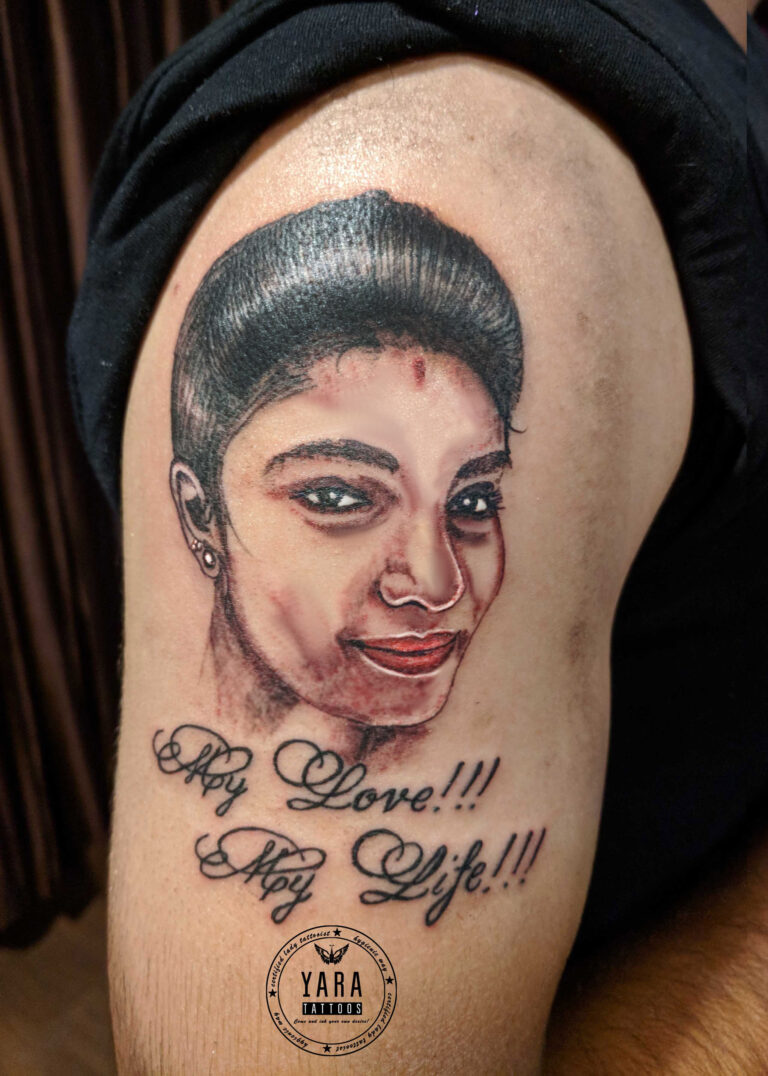
The most critical element of any portrait tattoo is likeness. If the tattoo does not resemble the subject, no amount of shading or detail can compensate.
Likeness goes beyond copying a photograph. A skilled portrait artist understands facial anatomy, proportions, and the subtle characteristics that define a person such as the jawline, eye spacing, lip shape, or nose angle.
High-quality portrait tattoos consistently demonstrate:
- Accurate facial proportions
- Recognition of unique identifying features
- Natural symmetry without overcorrection
Even small inaccuracies such as eyes placed too closely together or an unnatural mouth shape can make a portrait feel unsettling or unfamiliar. Precision is essential.
Mastery of Light, Shadow, and Depth
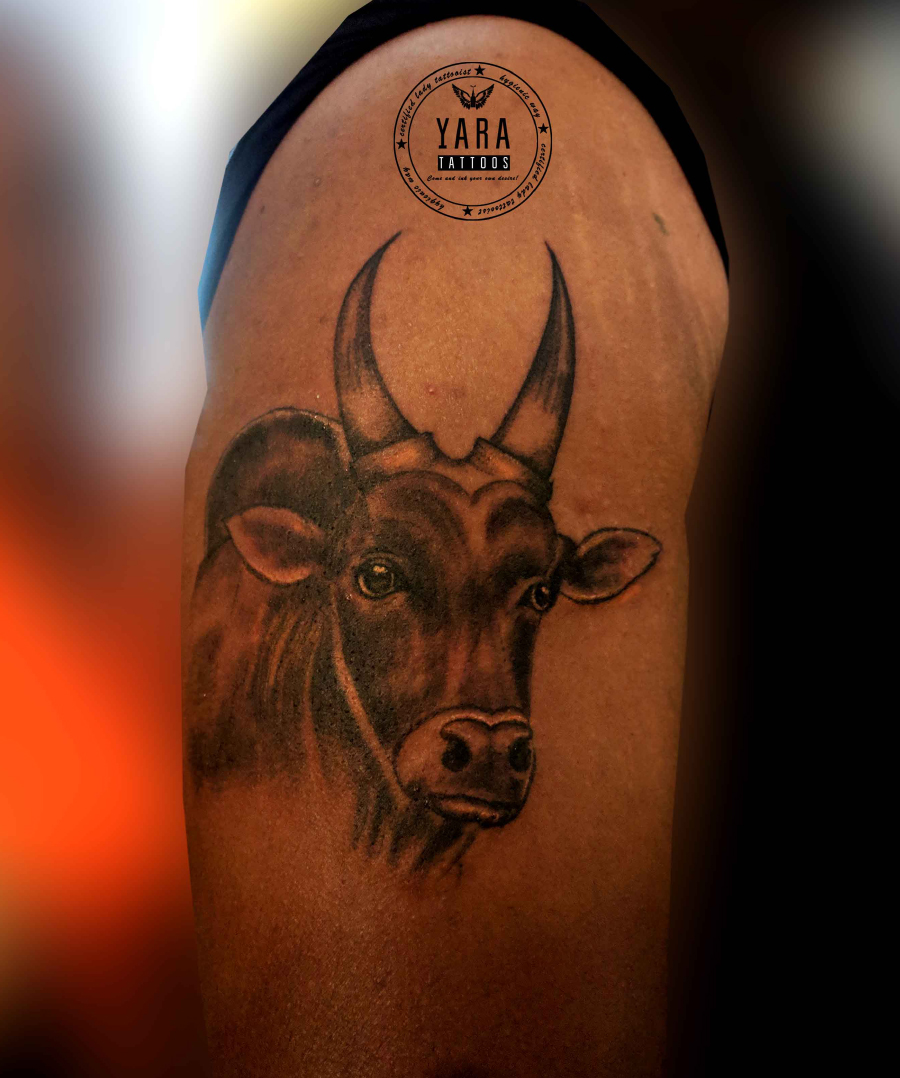
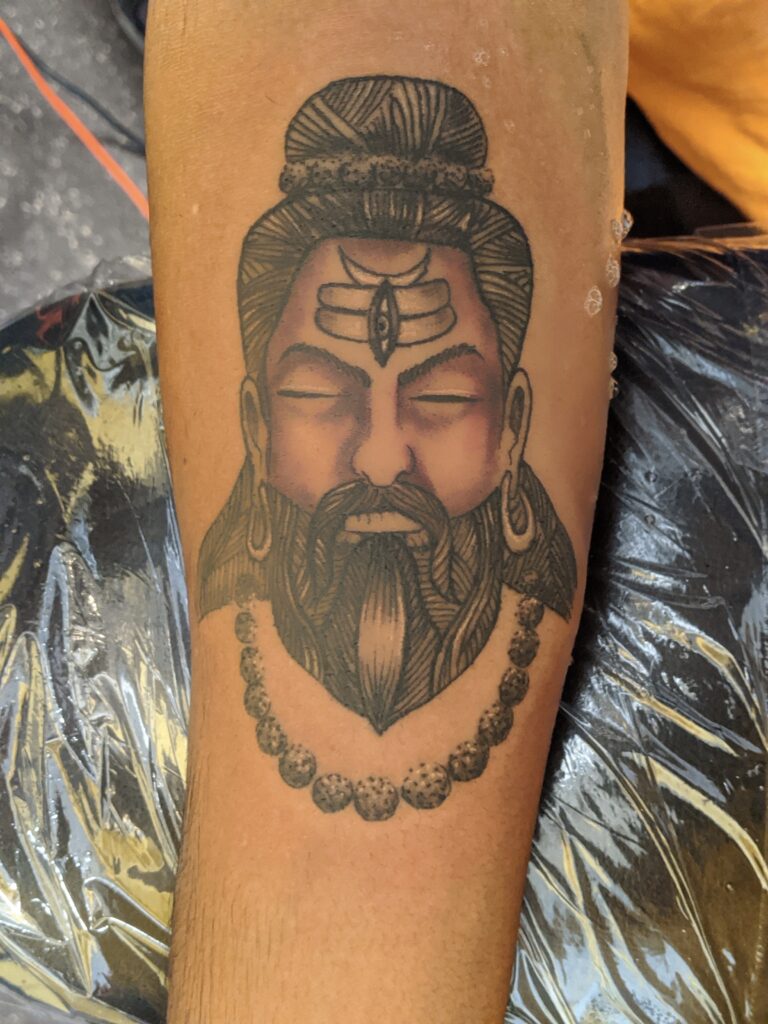
What gives a portrait tattoo life is the artist’s control of light and shadow. Although tattoos exist on a flat surface, faces are three-dimensional. Creating the illusion of depth is what distinguishes realism from flat or cartoon-like results.
Exceptional portrait tattoos show:
- Smooth tonal transitions
- Correct placement of highlights and shadows
- Depth in areas like the eyes, cheekbones, and jaw
Poor shading, harsh contrasts, or overly dark blacks can distort facial features and cause the tattoo to age prematurely. Skilled artists understand how light naturally interacts with the face and translate that understanding onto skin through controlled technique.
Precision in Black and Grey or Colour Portraits
Portrait tattoos can be executed in black and grey or colour, but both styles demand exceptional control.
Black and Grey Portrait Tattoos
High-quality black and grey portraits rely on:
- A wide range of grey tones
- Strategic use of solid blacks for depth
- Smooth, seamless blending
Experienced artists avoid over-saturating the skin, allowing space for the tattoo to breathe and age gracefully.
Colour Portrait Tattoos
Colour portraits require advanced knowledge of colour theory and skin undertones. Poor colour choices can result in unnatural or muddy results.
A well-executed colour portrait features:
- Realistic skin tones
- Controlled saturation
- Balanced colour harmony
When done correctly, colour portraits can appear incredibly lifelike. When done poorly, they fade unevenly or lose clarity over time.
Understanding Skin as a Living Canvas
Skin is not paper, it stretches, heals, ages, and reacts differently depending on placement and individual skin type. A high-quality portrait tattoo reflects the artist’s understanding of how skin impacts the final result.
Professional portrait tattoo artists consider:
- Skin texture and elasticity
- Placement on the body
- Long-term aging and movement
Highly detailed portraits are best suited for areas like the upper arm, thigh, back, or calf, where the skin offers stability and space. Poor placement can compromise even the best artwork.
Longevity and Healing Matter
A great portrait tattoo should look impressive not only on day one, but for decades to come. Quality portraits are designed with aging in mind.
Proper spacing, contrast, and tonal balance help ensure:
- Facial details remain recognizable
- The tattoo softens naturally rather than blurring
- The portrait maintains its emotional impact over time
Longevity is a key indicator of true craftsmanship.
Collaboration, Trust, and Emotional Awareness
Exceptional portrait tattoos are often the result of strong collaboration between artist and client. The artist listens to the story behind the portrait, understands its emotional significance, and translates that meaning into the design.
High-quality portrait experiences involve:
- Clear communication
- Realistic expectations
- Mutual trust
When clients trust the artist’s expertise, it allows for better technical decisions and ultimately stronger results.
Final Thoughts
A high-quality portrait tattoo combines technical precision with emotional depth. It captures more than physical resemblance, it reflects presence, expression, and identity.
From accurate proportions and refined shading to thoughtful placement and long-term durability, every detail matters. Portrait tattoos demand patience, experience, and deep respect for the craft.
At Yara, our skilled tattoo artists combine precision, care, and creativity to transform your vision into timeless artwork you’ll treasure for life.